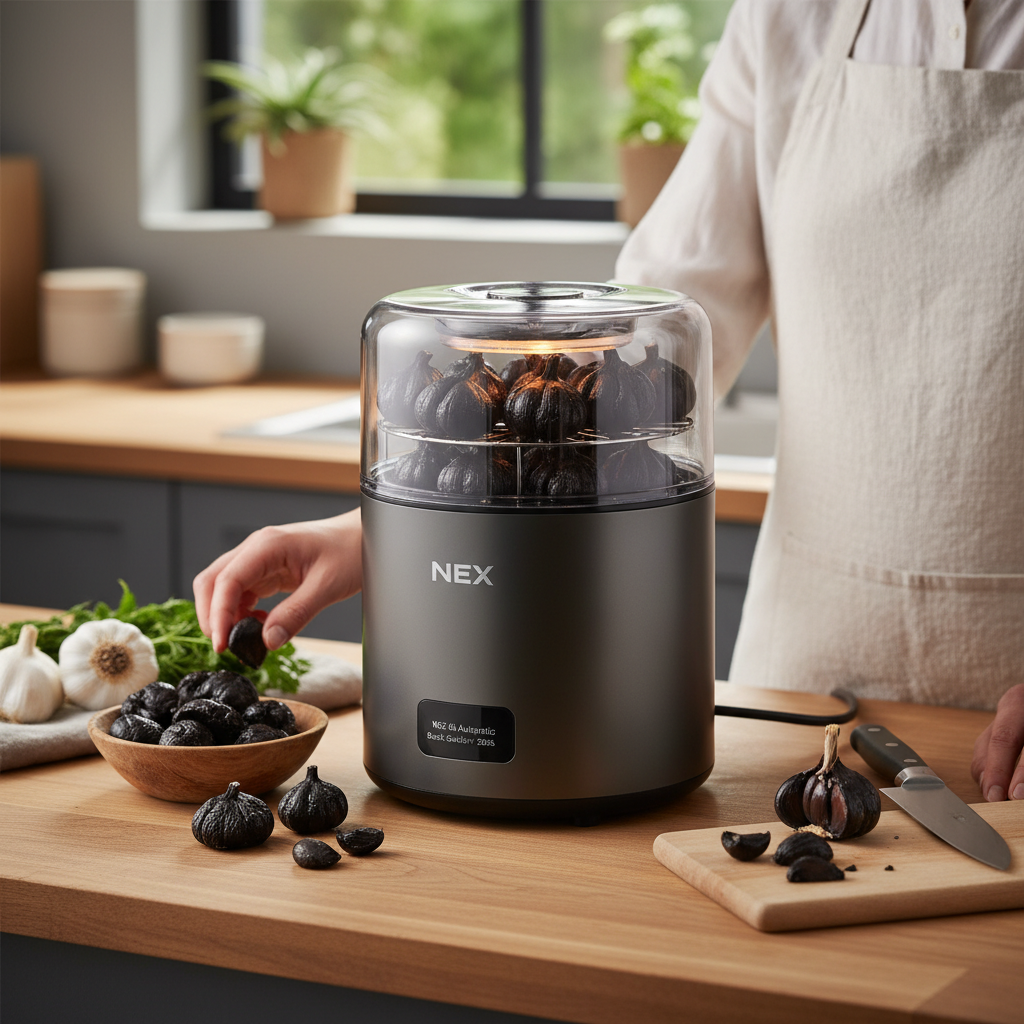
The transformation of humble white garlic into succulent, sweet, and umami-rich black garlic is a culinary marvel, increasingly brought into home kitchens with dedicated fermenters. Yet, a common question arises for enthusiasts and novices alike: when your black garlic fermenter offers settings like 12 days or 15 days, which one is truly best? The truth is, the “best” setting often depends on your desired taste, texture, and the unique characteristics of your garlic. This guide will delve into the nuances of these fermentation cycles, helping you master the art of homemade black garlic.
Understanding Your Black Garlic Fermenter: More Than Just “Fermentation”
Before we compare durations, it’s crucial to understand what’s happening inside your black garlic fermenter. Despite its name, the process isn’t a traditional microbial fermentation involving bacteria or yeast. Instead, black garlic is created through a controlled Maillard reaction—a complex chemical process between amino acids and reducing sugars, enhanced by precisely regulated heat and humidity over an extended period. This slow caramelization is what imparts the garlic’s distinctive black color, soft, date-like texture, and a profound flavor profile that eliminates the pungent bite of raw garlic, replacing it with notes of molasses, balsamic vinegar, and rich umami. The fermenter acts as a highly specialized environment, maintaining the optimal temperature and humidity levels necessary to facilitate this remarkable transformation.
The 12-Day Fermentation Cycle: A Quick Look
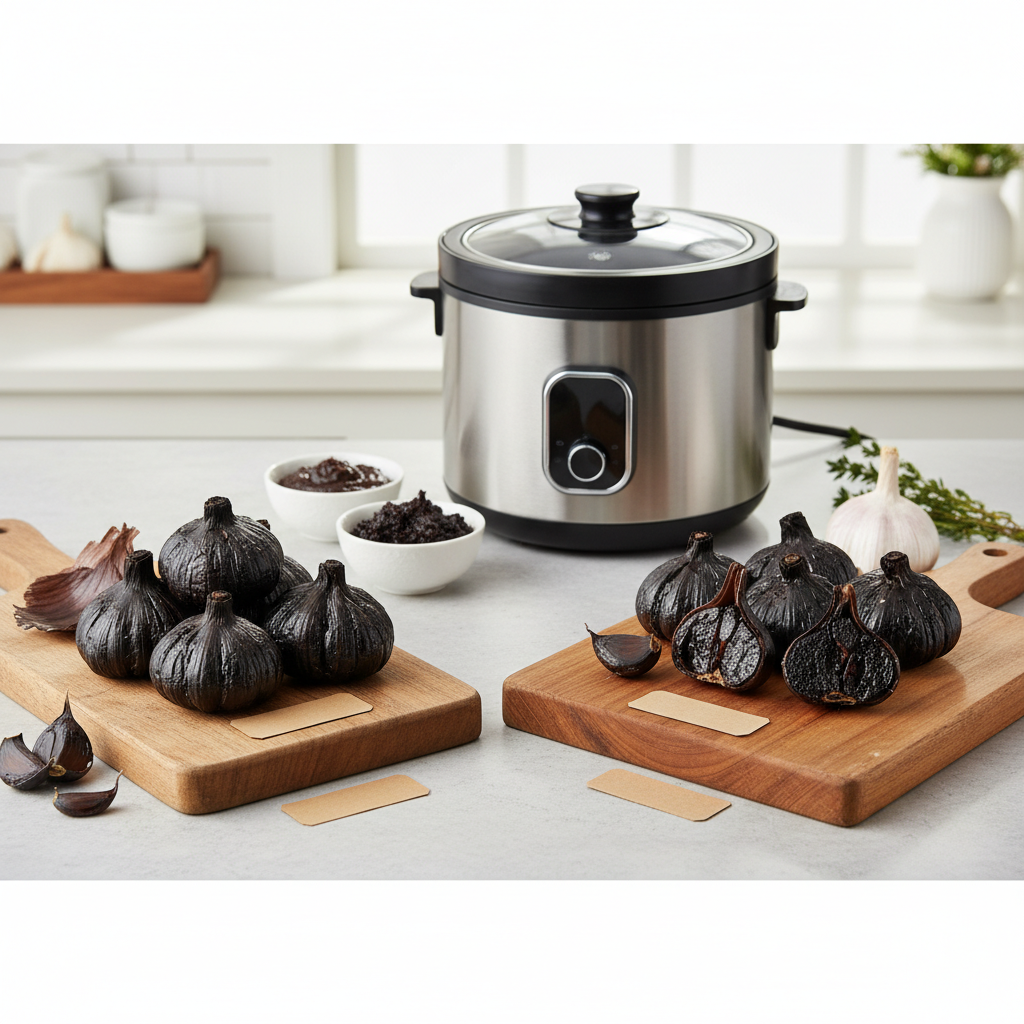
Opting for a 12-day cycle in your black garlic fermenter generally yields a product with distinct characteristics. At this duration, the garlic cloves will typically be dark brown to black, exhibiting a texture that is softer than raw garlic but possibly a bit firmer or chewier than a longer cycle. The flavor profile tends to be mildly sweet, with a noticeable earthy depth and often retaining a subtle, more pronounced garlic undertone. This setting is ideal for those who prefer a less intense sweetness in their black garlic, enjoy a slightly firmer chew, or require a quicker turnaround for their culinary creations. For instance, if you plan to incorporate black garlic into savory dishes where its robust notes can shine without overpowering other ingredients, a 12-day batch might be your preferred choice. While ready to enjoy, some may find a 12-day batch could benefit from a short post-fermentation drying phase to fine-tune its texture.
The 15-Day Fermentation Cycle: Embracing Depth and Sweetness
Extending the fermentation to a 15-day cycle allows the Maillard reaction to progress further, resulting in black garlic with a noticeably deeper black color and a significantly softer, more gelatinous, and spreadable texture—often compared to a soft, chewy Medjool date. The flavor undergoes a more profound development, becoming richer, sweeter, and more complex, with intensified balsamic, licorice, and molasses notes that truly define premium black garlic. This longer setting is often favored by those who seek the traditional, intensely sweet, and savory black garlic experience, perfect for eating plain as a health snack, spreading on toast, or incorporating into gourmet dishes where its robust umami can take center stage. The extended duration typically helps achieve optimal moisture content, often making a separate drying phase less necessary for achieving the ideal soft, sticky consistency.
Beyond the Days: Factors Influencing Your Black Garlic Results
While 12 and 15 days offer distinct outcomes, several other factors can significantly influence your black garlic batch, regardless of the cycle length you choose.
Garlic Variety and Freshness
|
Our Picks for the Best Black garlic fermenter in 2026
As an Amazon Associate I earn from qualifying purchases.
|
||
| Num | Product | Action |
|---|---|---|
| 1 | TECHTONGDA 5L Black Garlic Fermenter 110V Garlic Cooker 3D Heating Full Automatic Intelligent Control |

|
| 2 | WantJoin Black Garlic Fermenter 6L - Full Automatic Intelligent Control Black Garlic Maker, 360° Even Fermented,Makes 3-4 LBS Garlic Fermenter Machine, Makes Multi Clove & Whole Clove Garlic |
|
| 3 | 110V 6L Black Garlic Fermenter Intelligent Fully Automatic Black Garlic Machine Black Garlics Ferment Pot Garlic Ferment Box Black Garlic Maker DIY Cooker |
|
| 4 | INTBUYING 6L Black Garlic Fermenter,Garlic Ferment,Black Garlics Ferment Pot,Full Automatic Intelligent Control Black Garlics Maker Black Garlic Maker |
|
| 5 | 6L Black Garlic Fermenter Multifunctional Intelligent Fermenter Pot 6L Black Garlic, Sweet Rice, Natto,Yogurt Maker Garlic Fermenter Machine DIY Cooker |
|
| 6 | Moongiantgo 8L Black Garlic Fermenter Garlic Fermenting Machine, Easy One-Button Operation Automatic Intelligent Large Capacity Black Garlic Maker with Precise Time Control for 6-16 Days, 110V (8L) |
|
| 7 | 5L Black Garlic Fermenter Full Automatic Intelligent Control Garlics Maker Multi Clove Garlic Cooker FCC UL Approved |
|
| 8 | 5L Black Garlic Fermenter, Automatic Garlic Fermenting machine, Wine Fermenting Machine, Yogurt Maker with Temperature Control |
|
| 9 | Moongiantgo 7.5L Black Garlic Fermenter, Automatic Intelligent Control Garlic Fermenter Natto, Yogurt, Kimchi, Wine Fermenter Machine, Garlic Cooker with Precise Time Temperature Control, 110V (Brown) |
|
| 10 | 6L Black Garlic Fermenter,Yogurt Maker with Adjustable Temperature & Time Control,Kimchi machine,Sweet Rice Wine Maker Full Automatic,Natto Maker,FCC UL Listed |
|
The type and quality of your raw garlic play a crucial role. Garlic with higher natural sugar content, for example, will typically produce a sweeter black garlic. Using fresh, firm bulbs free from blemishes ensures the best starting material for a successful transformation.
Garlic Size (Whole Bulbs vs. Solo Garlic)
Larger garlic bulbs or individual solo garlic cloves may require longer fermentation times to achieve the desired consistency and depth of flavor compared to smaller cloves. The surface area to volume ratio affects heat and humidity penetration. Some machines even have specific settings for “solo garlic”.
Fermenter Model and Calibration
Different black garlic fermenter models can vary in their heating elements, insulation, and humidity control mechanisms. What one machine achieves in 12 days, another might take 15 days, or vice versa. Familiarize yourself with your specific appliance’s recommendations and user feedback.
Environmental Humidity
While fermenters are designed to control internal humidity, extreme external environmental humidity or dryness in your kitchen can still subtly impact the process, particularly if the machine’s seal isn’t perfect.
Desired Texture and Flavor Profile
Ultimately, your personal preference is the most significant factor. Do you prefer a slightly firmer black garlic with a more noticeable garlic essence, or do you crave the intensely sweet, jammy consistency of a fully processed clove? Experimentation is key to discovering your ideal.
“The true magic of black garlic lies not just in the time spent in the fermenter, but in the subtle interplay of temperature, humidity, and the inherent quality of the garlic itself. Understanding these elements empowers you to craft a product perfectly suited to your palate.” – Admin, ReviewESL.com
Troubleshooting Common Issues and Optimizing Your Batch
Even with the best settings, occasional issues can arise. Here’s how to address them:
- Too Dry or Hard: If your black garlic feels too firm or dry, it might have lost too much moisture during the cycle. Next time, consider a slightly shorter fermentation time or ensuring the fermenter lid is perfectly sealed. A post-fermentation re-moisturizing technique (e.g., storing with a tiny piece of damp paper towel, or in an airtight container) can sometimes help.
- Too Wet or Sticky: Conversely, excessively wet or sticky black garlic indicates too much moisture was retained. This often benefits from an extended drying phase within the fermenter (if your model has this function) or by simply letting the black garlic air dry in a well-ventilated area for a few days after the cycle completes.
- Not Black Enough: If your garlic isn’t achieving the desired dark color, it likely needs more time in the fermenter. The Maillard reaction is a gradual process; extending the cycle by an extra day or two can make a significant difference.
- Flavor Not Right: If the flavor is too sharp or not sweet enough, a longer cycle will generally increase sweetness and mellow out any remaining pungency. If it’s too sweet or overly caramelized, a shorter cycle next time might be appropriate.
Expert Tips for Perfect Black Garlic
To consistently produce excellent black garlic, consider these professional tips:
- Use High-Quality, Fresh Garlic: Start with firm, unblemished, fresh garlic bulbs. Superior raw ingredients lead to superior black garlic.
- Don’t Overcrowd the Fermenter: Ensure adequate air circulation around each bulb or clove. Overcrowding can lead to uneven fermentation and inconsistent results.
- Experiment with Smaller Batches: If you’re new to a specific fermenter or garlic type, run a smaller test batch to determine your preferred settings before committing a large quantity.
- Consider a Post-Fermentation Aging/Drying Period: Many experts recommend a short “resting” period of a few days to a week after fermentation. This allows the flavors to deepen and the texture to stabilize further, often resulting in an even better product. Store them uncovered in a cool, dry place.
Conclusion
The choice between a 12-day and a 15-day setting for your black garlic fermenter isn’t about one being inherently superior, but rather about aligning the process with your desired outcome. A 12-day cycle can offer a delightful black garlic with a slightly firmer texture and a nuanced garlic presence, while a 15-day cycle typically delivers a deeper, sweeter, and more profoundly gelatinous product. By understanding the Maillard reaction and the various factors at play—from garlic variety to fermenter specifics—you gain the power to customize your black garlic to perfection. Don’t be afraid to experiment, taste, and fine-tune to discover your ultimate black garlic experience. Which fermentation journey will you embark on first?
Frequently Asked Questions
Is black garlic truly fermented?
While commonly referred to as “fermented,” black garlic is primarily a product of the Maillard reaction—a slow caramelization process driven by heat and humidity, not microbial fermentation.
Can I open my fermenter during the cycle?
It is generally not recommended to open your black garlic fermenter frequently during the cycle, as this can disrupt the carefully controlled temperature and humidity, potentially affecting the quality and consistency of your black garlic.
What if my black garlic is too dry or too wet?
If your black garlic is too dry, it likely needs a slightly shorter fermentation next time or better humidity retention. If it’s too wet, an additional drying phase in the fermenter or air-drying in a well-ventilated space can help achieve the ideal sticky texture.
Does the type of garlic matter?
Yes, the type and freshness of your raw garlic can significantly impact the final product. Garlic varieties with higher natural sugar content tend to yield sweeter black garlic, and fresh, firm bulbs are always recommended for the best results.
How do I store black garlic?
Black garlic should be stored in an airtight container in a cool, dry place, or in the refrigerator. It can last for several weeks to months when stored properly.