Embarking on a fermentation journey, whether for craft beverages, specialized food products, or industrial bioprocesses, often involves meticulous planning. A critical, yet frequently overlooked, aspect is the choice of fermenter, especially its energy efficiency and capacity for long cycles. The right fermenter can significantly reduce operational costs, ensure consistent product quality, and simplify extended fermentation periods, making it an investment that pays dividends in both economic and qualitative terms. This guide delves into what makes a fermenter truly stand out for its energy efficiency and ability to handle prolonged fermentation cycles, helping you make an informed decision that aligns with your specific needs.
Overview of Energy-Efficient Fermenters for Long Cycles
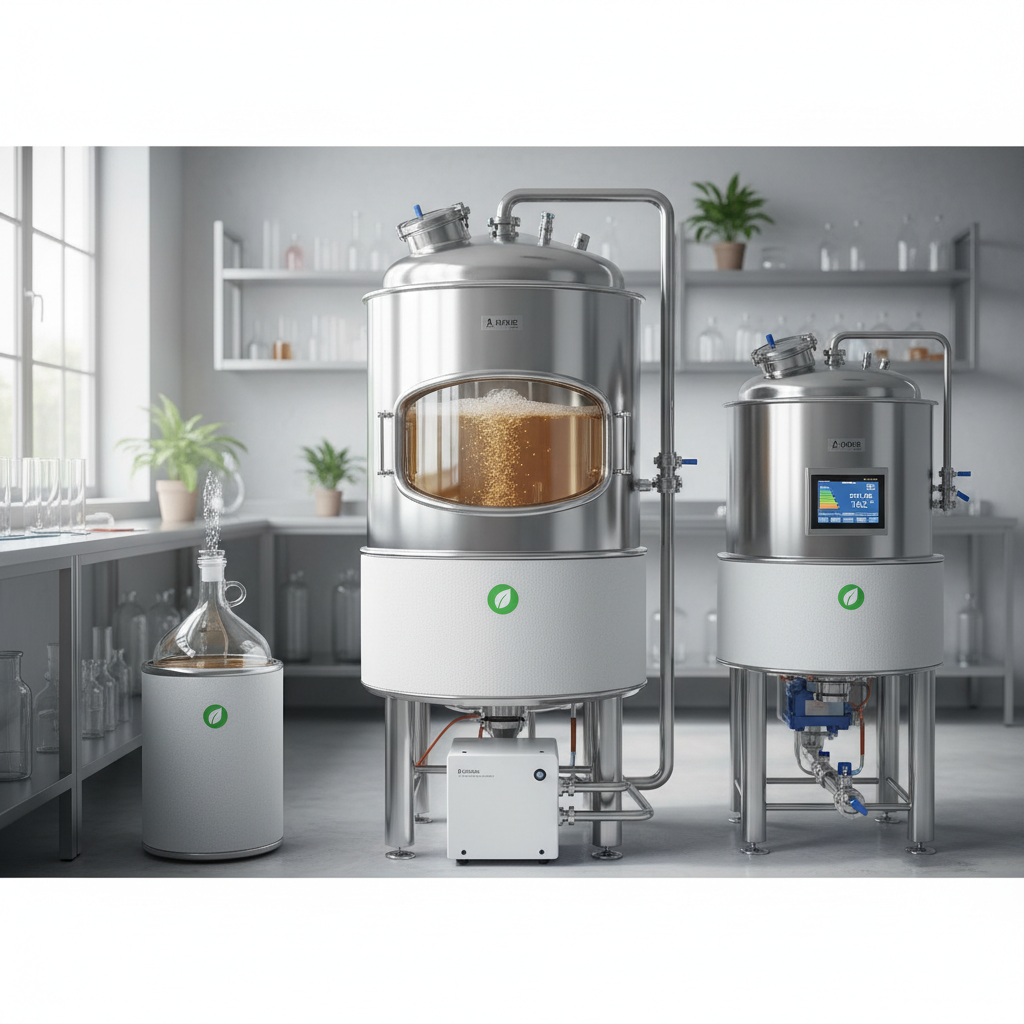
An energy-efficient fermenter for long cycles is designed to maintain optimal fermentation conditions with minimal power consumption over extended periods. Unlike basic fermenters that may require constant manual adjustments or consume excessive energy for heating and cooling, these advanced units integrate features that stabilize temperature, minimize heat loss, and operate with optimized stirring or agitation mechanisms. The popularity of such fermenters stems from the growing demand for sustainable practices, cost-effective production, and the consistent quality essential for complex fermentations like aging beers, specific probiotics, or industrial enzymes.
The benefits of using an energy-efficient fermenter extend far beyond simple utility bill reductions. They offer superior temperature stability, which is crucial for the metabolic activity of microorganisms over long durations. This consistency translates to more predictable outcomes and a higher quality end product. Furthermore, their design often minimizes manual intervention, freeing up time and resources, while robust construction ensures durability for continuous operation.
Types of Fermenters Optimized for Energy Efficiency and Long Cycles
The market offers a diverse range of fermenters, each with unique advantages for energy efficiency and extended use, catering to different scales of operation.
Industrial Scale Fermenters
For large-scale production, industrial fermenters prioritize high output with minimal energy footprint.
- Airlift Fermenters: These are highly regarded for their energy efficiency and lower operational costs. They rely on a pneumatic system for agitation, circulating the medium via a draft tube, which enhances oxygen transfer without mechanical agitators. This design reduces shear stress on sensitive microorganisms and drastically cuts down on energy expenditure compared to mechanically stirred tank fermenters. Their scalability allows for large-scale production without compromising efficiency, making them ideal for long-cycle enzyme or biomass production.
- Packed Bed Fermenters: Gaining popularity for specific processes, packed bed fermenters immobilize microorganisms on a bed of solid particles. This configuration allows for continuous operation and high product concentrations, which translates to sustained production over long periods with efficient use of resources. While scaling can be more complex, their ability to handle high substrate concentrations and continuous nature makes them energy-efficient for specialized long-term applications.
|
Our Picks for the Best Black garlic fermenter in 2026
As an Amazon Associate I earn from qualifying purchases.
|
||
| Num | Product | Action |
|---|---|---|
| 1 | 5L Black Garlic Fermenter Full Automatic Intelligent Control Garlics Maker Multi Clove Garlic Cooker FCC UL Approved |

|
| 2 | 6L Black Garlic Fermenter,Yogurt Maker with Adjustable Temperature & Time Control,Kimchi machine,Sweet Rice Wine Maker Full Automatic,Natto Maker,FCC UL Listed |
|
| 3 | TECHTONGDA 5L Black Garlic Fermenter 110V Garlic Cooker 3D Heating Full Automatic Intelligent Control |
|
| 4 | 110V 6L Black Garlic Fermenter Intelligent Fully Automatic Black Garlic Machine Black Garlics Ferment Pot Garlic Ferment Box Black Garlic Maker DIY Cooker |
|
| 5 | Moongiantgo 8L Black Garlic Fermenter Garlic Fermenting Machine, Easy One-Button Operation Automatic Intelligent Large Capacity Black Garlic Maker with Precise Time Control for 6-16 Days, 110V (8L) |
|
| 6 | Moongiantgo 7.5L Black Garlic Fermenter, Automatic Intelligent Control Garlic Fermenter Natto, Yogurt, Kimchi, Wine Fermenter Machine, Garlic Cooker with Precise Time Temperature Control, 110V (Brown) |
|
| 7 | 5L Black Garlic Fermenter, Automatic Garlic Fermenting machine, Wine Fermenting Machine, Yogurt Maker with Temperature Control |
|
| 8 | WantJoin Black Garlic Fermenter 6L - Full Automatic Intelligent Control Black Garlic Maker, 360° Even Fermented,Makes 3-4 LBS Garlic Fermenter Machine, Makes Multi Clove & Whole Clove Garlic |
|
| 9 | 6L Black Garlic Fermenter Multifunctional Intelligent Fermenter Pot 6L Black Garlic, Sweet Rice, Natto,Yogurt Maker Garlic Fermenter Machine DIY Cooker |
|
| 10 | INTBUYING 6L Black Garlic Fermenter,Garlic Ferment,Black Garlics Ferment Pot,Full Automatic Intelligent Control Black Garlics Maker Black Garlic Maker |
|
Home & Small-Scale Fermenters
For enthusiasts and small businesses, the focus shifts to compact, reliable, and energy-conscious units.
- Insulated Conical Fermenters: Often made from stainless steel and sometimes double-walled, these fermenters offer excellent insulation. This natural thermal stability reduces the energy needed to maintain desired temperatures, especially for longer fermentation or aging periods. Their conical bottom design also aids in easy yeast harvesting, minimizing disruption and maintaining a stable environment.
- Stainless Steel Fermenters with Integrated Temperature Control: High-quality stainless steel provides excellent thermal retention and is highly durable. When paired with integrated cooling coils or jackets, these systems allow precise temperature management without the need for an external fermentation chamber constantly cycling a refrigerator, offering a more energy-efficient approach to long-term controlled fermentation.
- Pressure Fermenters: These allow fermentation under pressure, which can sometimes speed up the process or enable closed-system transfers, reducing oxygen exposure during long conditioning phases. Models like the Fermzilla All-Rounder are popular, often used in conjunction with cooling systems for precise temperature control, balancing efficiency and quality.
Key Features of the Best Energy-Efficient Fermenters
Choosing an energy-efficient fermenter for extended cycles means evaluating several critical features:
- Insulation and Material:
- Stainless Steel: Excellent for thermal retention, durability, and ease of sanitation, contributing to stable temperatures and long lifespan.
- Double-Walled Construction: Creates a jacket for circulating cooling or heating fluids, offering precise and efficient temperature control with minimal energy loss.
- Advanced Temperature Control Systems:
- Integrated Cooling/Heating: Systems that directly regulate the fermenter’s internal temperature using coils, jackets, or Peltier elements are more efficient than cooling entire external chambers.
- PID Controllers: Provide precise, stable temperature regulation, minimizing fluctuations and optimizing energy use by only heating or cooling as needed.
- Design for Reduced Energy Consumption:
- Pneumatic Agitation: As seen in airlift fermenters, using air or gas for mixing eliminates energy-intensive mechanical motors.
- Optimized Heat Exchangers: Efficient heat exchange surfaces ensure rapid and effective temperature adjustments, reducing the time and energy required.
- Airtightness and Oxygen Management:
- For long cycles, preventing oxygen ingress is paramount to avoid spoilage and off-flavors. Fermenters with robust lids, quality gaskets, and pressure-rated capabilities ensure a sealed environment, preserving product integrity.
- Closed transfer systems further minimize oxygen exposure, crucial for delicate fermentations.
- Durability and Longevity:
- Investing in a fermenter made from high-grade materials that can withstand repeated cleaning, sanitization, and the rigors of long fermentation cycles reduces the need for frequent replacements, offering long-term value and sustainability.
Buying Guide: Choosing Your Energy-Efficient Fermenter
Selecting the ideal energy-efficient fermenter requires a thoughtful assessment of several factors to match your specific application.
Scale of Operation (Home vs. Commercial)
Consider your batch size. A homebrewer might opt for a 5-10 gallon stainless steel conical, while a commercial operation would need larger, potentially jacketed industrial vessels. Industrial needs might lean towards airlift or packed bed systems for their inherent efficiency at scale.
Fermentation Type and Duration
Different fermentations have distinct needs. If you’re doing long-term aging of mead, wine, or sour beers, temperature stability and oxygen exclusion are paramount, favoring well-insulated, airtight fermenters. For rapid, high-volume production, an efficient temperature control system that can quickly adjust might be more critical.
Energy Consumption Ratings and Insulation
Look for details on insulation R-value or specific energy consumption figures if available. Double-walled designs offer superior insulation. For systems requiring constant cooling or heating, inquire about the efficiency of their compressors or heating elements.
Material and Construction Quality
Stainless steel (304 or 316 grade) is often the gold standard for durability, sanitation, and thermal properties. Ensure welds are smooth and internal surfaces are polished to prevent bacterial harborage and simplify cleaning, which extends the life of the unit and reduces energy spent on intensive cleaning protocols.
Price and Budget
Energy-efficient fermenters can be a significant investment upfront. Balance the initial cost with potential long-term savings in energy consumption and improved product quality. Sometimes a higher initial outlay for a well-insulated, precisely controlled unit can quickly pay for itself.
User Reviews and Brand Reputation
Research established brands known for quality and customer support. User reviews can offer invaluable insights into real-world energy performance, durability, and suitability for long cycles.
Maximizing Efficiency: Usage and Maintenance Tips for Long Cycles
Even the best fermenter needs proper care to perform optimally for long, energy-efficient cycles.
- Proper Temperature Setting and Monitoring: Utilize your fermenter’s precise temperature control. Avoid unnecessary temperature swings, as the system will consume more energy trying to correct them. Invest in accurate external thermometers if your unit lacks reliable integrated sensors.
- Cleaning and Sanitization for Prolonged Use: Thorough cleaning and sanitization are critical for long cycles to prevent contamination, which can ruin a batch and waste energy. Follow manufacturer guidelines for cleaning agents and protocols. Ensure all seals and gaskets are clean and intact to maintain airtightness.
- Optimizing Placement for Insulation: Position your fermenter in a stable environment, away from direct sunlight, drafts, or extreme temperature fluctuations. A stable ambient temperature reduces the workload on the fermenter’s heating/cooling system, enhancing energy efficiency.
- Monitoring Fermentation Progress Without Opening: Minimize opening the fermenter during long cycles to prevent oxygen ingress and maintain stable internal conditions. Use sight glasses, sample ports, and pressure gauges to monitor progress.
Common Challenges and Troubleshooting
Even with the most efficient fermenter, you might encounter issues during long cycles.
- Maintaining Stable Temperature: If your fermenter struggles to hold temperature, check insulation, ensure cooling/heating elements are clear of obstructions, and verify the accuracy of your temperature probes. An undersized cooling unit for your batch volume or ambient conditions can also be a culprit.
- Preventing Contamination During Long Cycles: Contamination can be a higher risk over longer periods. Re-evaluate your cleaning and sanitization procedures. Ensure all connections are perfectly sealed, and avoid excessive sampling. For industrial setups, consider in-place cleaning (CIP) and sterilization (SIP) systems.
- Addressing Unexpected Energy Spikes: Sudden increases in energy consumption might indicate a failing heating or cooling element, a leak in a cooling jacket, or a problem with your temperature controller. Regularly inspect components and consult a technician if problems persist.
Conclusion
Choosing the right energy-efficient fermenter for long cycles is a pivotal decision that impacts product quality, operational costs, and environmental footprint. By understanding the different types available, focusing on key features like insulation, advanced temperature control, and robust construction, and adhering to best practices for usage and maintenance, you can ensure your fermentation processes are as efficient and productive as possible. Whether you’re a home enthusiast aiming for that perfectly aged brew or an industrial producer optimizing bioprocesses, the investment in an energy-conscious fermenter designed for longevity is an investment in your success. What long-term fermentation project are you planning that could benefit from an energy-efficient fermenter?
Câu Hỏi Thường Gặp
How do I calculate the energy consumption of a fermenter?
To estimate energy consumption, consider the wattage of heating/cooling elements and agitators, and how often they cycle. For precise figures, look for manufacturer specifications, or use a power meter to measure actual usage over a typical fermentation cycle.
What materials offer the best insulation for a fermenter?
Stainless steel, especially with double-walled construction for active temperature control, provides excellent insulation and durability. Polyethylene plastic can also be effective, particularly when paired with external insulation jackets.
Can I convert a standard fermenter into an energy-efficient one?
While you can add external insulation (like insulation blankets or building an insulated chamber) and upgrade to a more precise temperature controller, fully converting a standard fermenter to match the inherent efficiency of purpose-built units, especially industrial types like airlift fermenters, is challenging.
What is considered a “long cycle” for fermentation?
A “long cycle” typically refers to fermentations lasting weeks to months, often involving secondary fermentation, aging, or specific microbial processes that require extended periods to develop complex flavors or achieve desired chemical transformations.
Are pressure fermenters more energy-efficient for long cycles?
Pressure fermenters themselves aren’t inherently more energy-efficient from a heating/cooling perspective, but they can contribute to overall efficiency for long cycles by enabling faster fermentation under pressure and allowing for closed-system transfers, reducing losses and potential for spoilage, which can save resources. When paired with efficient cooling, they offer excellent control.