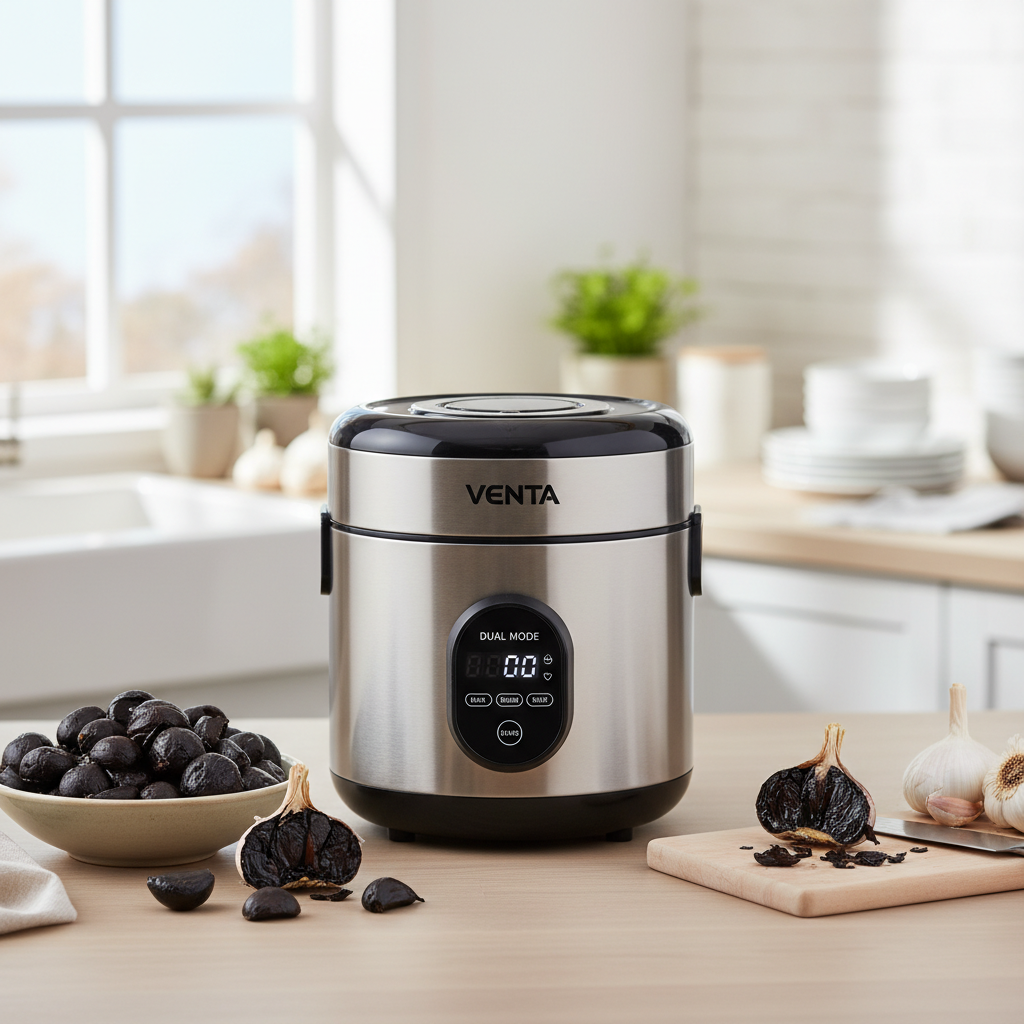
Few culinary transformations are as magical as turning pungent raw garlic into the sweet, savory, and umami-rich delicacy known as black garlic. With its soft, chewy texture and complex flavor profile reminiscent of balsamic vinegar, molasses, and even chocolate, black garlic has captivated chefs and home cooks alike. Yet, the journey to perfect black garlic can sometimes lead to a disheartening outcome: a bitter taste. If your black garlic has ever left a acrid aftertaste instead of a delightful one, you’re not alone. This guide dives deep into the science behind black garlic’s bitterness and offers the most up-to-date solutions, ensuring your next batch is a resounding success.
The Enigma of Black Garlic: More Than Just a Delicacy
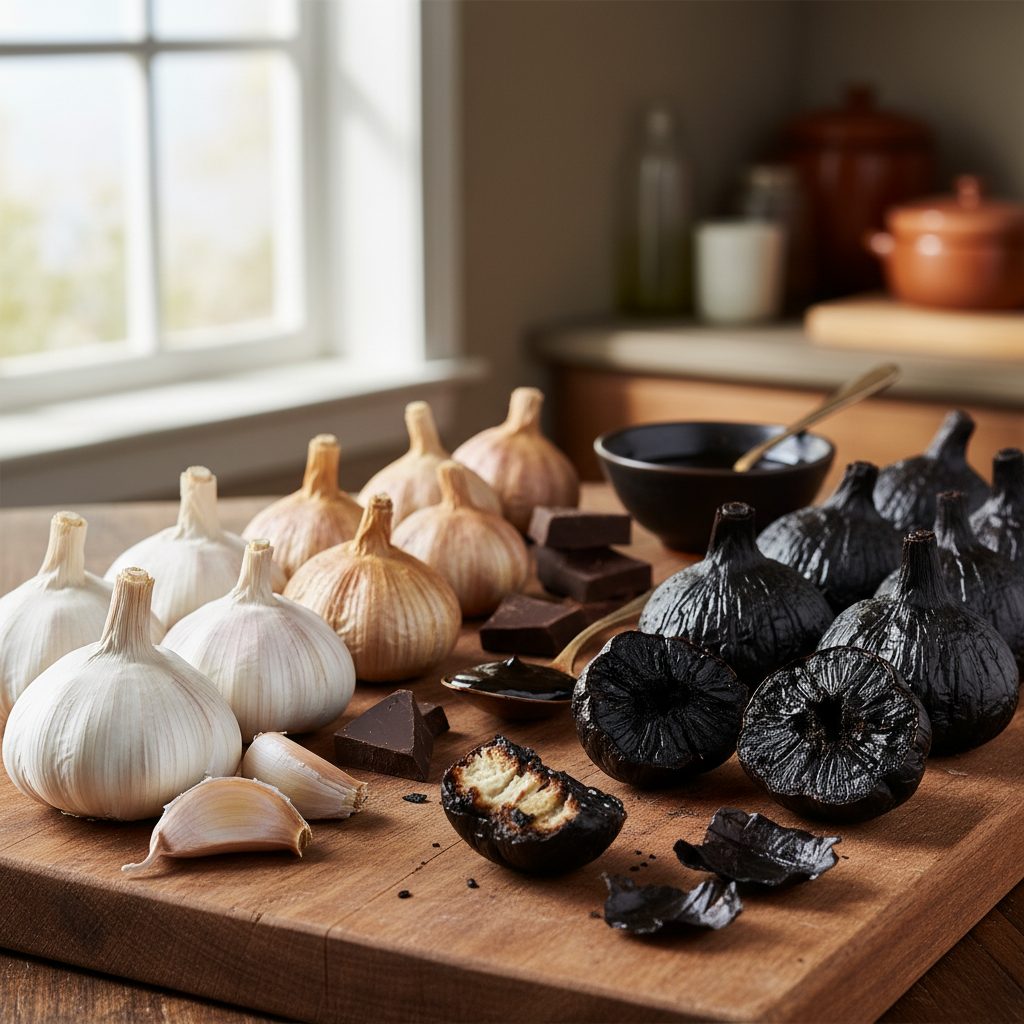
Black garlic is fresh garlic that undergoes a controlled heat and humidity process, typically over several weeks, resulting in its distinctive dark color, soft texture, and sweet-savory flavor. This transformation is primarily driven by the Maillard reaction, a complex series of chemical changes between amino acids and reducing sugars, which is also responsible for the browning and flavor development in many cooked foods, from seared steaks to roasted coffee beans. During this process, allicin, the compound responsible for raw garlic’s characteristic pungency, is converted into stable, water-soluble antioxidants, such as S-allylcysteine (SAC), which also contribute to its health benefits. The expected taste of black garlic is a harmonious blend of sweetness, umami, and a subtle tang, completely devoid of the sharp, spicy bite of fresh garlic. When bitterness emerges, it signals an imbalance in this delicate process.
Decoding Bitterness: Common Culprits in Black Garlic Fermentation
Understanding why your black garlic might taste bitter is the first step toward achieving perfection. Several factors can derail the Maillard reaction, leading to an undesirable flavor.
Temperature Troubles: When Heat Works Against You
|
Our Picks for the Best Black garlic fermenter in 2026
As an Amazon Associate I earn from qualifying purchases.
|
||
| Num | Product | Action |
|---|---|---|
| 1 | 5L Black Garlic Fermenter Full Automatic Intelligent Control Garlics Maker Multi Clove Garlic Cooker FCC UL Approved |

|
| 2 | 5L Black Garlic Fermenter, Automatic Garlic Fermenting machine, Wine Fermenting Machine, Yogurt Maker with Temperature Control |
|
| 3 | 110V 6L Black Garlic Fermenter Intelligent Fully Automatic Black Garlic Machine Black Garlics Ferment Pot Garlic Ferment Box Black Garlic Maker DIY Cooker |
|
| 4 | TECHTONGDA 5L Black Garlic Fermenter 110V Garlic Cooker 3D Heating Full Automatic Intelligent Control |
|
| 5 | INTBUYING 6L Black Garlic Fermenter,Garlic Ferment,Black Garlics Ferment Pot,Full Automatic Intelligent Control Black Garlics Maker Black Garlic Maker |
|
| 6 | Moongiantgo 8L Black Garlic Fermenter Garlic Fermenting Machine, Easy One-Button Operation Automatic Intelligent Large Capacity Black Garlic Maker with Precise Time Control for 6-16 Days, 110V (8L) |
|
| 7 | WantJoin Black Garlic Fermenter 6L - Full Automatic Intelligent Control Black Garlic Maker, 360° Even Fermented,Makes 3-4 LBS Garlic Fermenter Machine, Makes Multi Clove & Whole Clove Garlic |
|
| 8 | 6L Black Garlic Fermenter Multifunctional Intelligent Fermenter Pot 6L Black Garlic, Sweet Rice, Natto,Yogurt Maker Garlic Fermenter Machine DIY Cooker |
|
| 9 | Moongiantgo 7.5L Black Garlic Fermenter, Automatic Intelligent Control Garlic Fermenter Natto, Yogurt, Kimchi, Wine Fermenter Machine, Garlic Cooker with Precise Time Temperature Control, 110V (Brown) |
|
| 10 | 6L Black Garlic Fermenter,Yogurt Maker with Adjustable Temperature & Time Control,Kimchi machine,Sweet Rice Wine Maker Full Automatic,Natto Maker,FCC UL Listed |
|
One of the most frequent causes of bitterness in black garlic stems from improper temperature control. While heat is essential for the Maillard reaction, too much heat can lead to burnt notes and bitterness. Research suggests that while the ideal temperature range for black garlic production is typically between 60°C and 90°C (140°F-194°F), exceeding 80-90°C can result in an overly bitter and even sour flavor [cite: 3.5]. Temperatures that are too high essentially “cook” the garlic too quickly, skipping the nuanced chemical conversions that develop sweetness and depth. Conversely, inconsistent temperatures, particularly fluctuating below the optimal range, can also hinder the transformation, leaving residual bitter compounds and a less uniform product. For instance, some DIY methods using rice cookers or slow cookers can have inconsistent temperature regulation, making it difficult to maintain the steady heat required for successful aging [cite: 4.2].
The Humidity Hurdle: Too Dry or Too Damp
Humidity plays a critical role alongside temperature. The process of making black garlic requires a high-humidity environment, typically maintained at 70-90% relative humidity, to prevent the garlic from drying out [cite: 3.1, 3.3, 4.2]. If the humidity is too low, the garlic can become hard and dry, impeding the internal chemical reactions necessary for flavor development. While extremely low humidity may not directly cause bitterness, it often results in a product that lacks the desired soft, jelly-like texture and rich flavor. Conversely, excessively high humidity (above 85-90%) can create an environment conducive to mold growth, although mold itself is a separate issue from bitterness [cite: 4.1].
Rushing the Process: The Cost of Impatience
The creation of black garlic is a slow, deliberate process, often taking anywhere from 30 to 90 days [cite: 3.1, 3.2]. If you halt the fermentation prematurely, the complex chemical conversions may not be complete. This incomplete transformation means that some of the raw garlic’s naturally bitter or pungent compounds, such as allicin, haven’t fully mellowed and converted into the sweeter, more palatable ones. A batch tasted after only 7 or 14 days, for example, might still retain distinct bitter notes [cite: 4.3], indicating it needed more time to fully develop its characteristic sweetness and umami. Patience is truly a virtue when it comes to crafting exceptional black garlic.
Raw Material Matters: Starting with the Right Garlic
The quality of your raw ingredients sets the foundation for your final product. Using old garlic or bulbs that have begun to sprout can introduce bitterness from the outset. Sprouted garlic, in particular, contains a green “germ” in the center of the clove, which many culinary experts suggest removing from fresh garlic to reduce acridness [cite: 1.5, 5.2]. While the black garlic process often mitigates this, starting with fresh, plump, unblemished garlic bulbs is always the best practice [cite: 3.1]. Some sources even recommend single-clove garlic for more uniform fermentation results [cite: 3.1].
The 2026 Fix: Advanced Strategies for Bitter-Free Black Garlic
To banish bitterness and consistently achieve that coveted sweet, umami-rich black garlic, modern techniques and a deep understanding of the fermentation process are key.
Precision Fermentation: Mastering Temperature and Humidity
The most significant advancement in preventing bitter black garlic is the advent of dedicated black garlic fermenters. These specialized appliances offer precise control over both temperature and humidity, eliminating the guesswork associated with DIY methods.
- Dedicated Fermenters: Investing in a quality black garlic fermenter is the “2026 Fix” for consistency. These machines are designed to maintain optimal conditions, typically within the 60-80°C (140-176°F) temperature range and 70-90% humidity [cite: 3.1, 3.3, 4.2]. This stability ensures the Maillard reaction proceeds correctly, fostering sweetness without scorching.
- Monitoring is Key: For those utilizing modified slow cookers or rice cookers, a reliable probe thermometer is indispensable to monitor internal temperatures, ensuring they remain within the ideal range and avoid dangerous fluctuations [cite: 4.3]. Simple modifications, like adding insulation or propping open lids slightly, can help regulate temperature in less precise appliances [cite: 4.3]. However, be aware of the inherent risks, including botulism, if temperatures drop below 60°C for extended periods in anaerobic conditions [cite: 4.2, 4.3].
- Vacuum Sealing: For humidity control, vacuum-sealing garlic bulbs before placing them in the fermenter can help maintain moisture levels internally, even if the ambient humidity isn’t perfectly controlled [cite: 3.1, 3.4].
The Art of Patience: Extending the Aging Period
Resist the urge to prematurely check or taste your black garlic. The full development of flavor takes time.
- Commit to the Full Cycle: Aim for at least 30 days, and ideally 45-60 days, for a balanced flavor profile. Some enthusiasts extend the process to 90 days for even deeper sweetness and a softer texture [cite: 3.1]. The saying “good things come to those who wait” perfectly applies to black garlic.
- Post-Fermentation Rest: After the primary fermentation cycle, allowing the black garlic to rest or “cure” for a few days at room temperature can further stabilize its flavors and improve its texture. This resting period lets the internal compounds settle, leading to a more harmonious final product.
Selecting Superior Garlic: Your First Step to Success
The foundation of excellent black garlic starts with your choice of raw material.
- Freshness is Paramount: Always choose fresh, firm, unblemished garlic bulbs. Avoid any garlic that feels soft, appears moldy, or has visible sprouts [cite: 3.1]. High-quality starting material minimizes the chance of off-flavors developing during the long fermentation process.
- Variety Matters: While most garlic varieties can be turned into black garlic, some might yield slightly different flavor nuances. Experiment with local varieties to find what you prefer. Single-clove garlic is often favored by commercial producers for its uniform size, which ensures consistent fermentation throughout the batch [cite: 3.1].
- The “Germ” Debate: For black garlic, the extensive heat treatment typically mitigates the bitterness associated with the green germ in older garlic. However, starting with germ-free, fresh garlic removes any potential risk of residual bitterness.
Troubleshooting During the Process
Sometimes, despite best efforts, issues can arise. If you notice signs like overly dry garlic, or a smell that’s not developing correctly, it’s possible to make minor adjustments. For dry garlic, carefully adding a small amount of moisture (e.g., by misting with water or increasing the humidity in the fermenter) might help [cite: 4.4]. However, if the garlic tastes truly burnt or acrid early on, it might be challenging to salvage, and starting a new batch with corrected parameters is often the most reliable solution.
Elevating Your Black Garlic Game: Beyond Avoiding Bitterness
Once you’ve mastered the art of bitter-free black garlic, you can focus on refining its texture and depth of flavor. Achieving the perfect balance involves consistently monitoring your chosen fermentation method, whether it’s a dedicated appliance or a carefully managed DIY setup. The goal is a uniform, deeply black color throughout the clove, a soft, jelly-like consistency, and a complex flavor that hits all the sweet, savory, and umami notes without any harshness. Proper storage in an airtight container in a cool, dry place will ensure your homemade black garlic retains its exceptional qualities for an extended period.
“The true magic of black garlic lies in meticulous control over its environment. It’s a delicate dance of temperature and time, transforming a humble bulb into a culinary jewel.” – Admin, ReviewESL.com, Specialist in Black Garlic Fermentation Technology
Conclusion
The journey to perfectly sweet, umami-rich black garlic is deeply rewarding, transforming a simple ingredient into a gourmet delight. While the frustration of bitter black garlic can be disheartening, understanding its root causes—primarily incorrect temperature, humidity, and insufficient fermentation time—empowers you to take control. By embracing modern, precise fermentation techniques and a commitment to quality ingredients, you can consistently produce exceptional black garlic. The “2026 Fix” isn’t a single magic bullet, but rather a holistic approach emphasizing precision, patience, and starting with the best raw materials. Experiment, learn from each batch, and soon you’ll be enjoying the rich, complex flavors of flawless black garlic. What culinary creations will you unlock with your perfectly fermented black garlic?
Frequently Asked Questions
Can I salvage a batch of bitter black garlic?
Unfortunately, if your black garlic is genuinely bitter due to improper fermentation conditions, it’s often difficult to fully salvage the batch. The chemical changes are largely irreversible. In some cases, if the bitterness is mild, incorporating it into intensely flavored dishes might mask the off-notes, but it won’t restore the desired sweet-umami profile.
What is the ideal temperature range for black garlic fermentation?
The optimal temperature range for black garlic fermentation is generally between 60°C and 80°C (140°F-176°F) [cite: 3.1, 3.3]. Maintaining a consistent temperature within this range is crucial for facilitating the Maillard reaction and enzymatic conversions that create black garlic’s characteristic sweet and savory flavors, while avoiding bitterness.
How long should I ferment black garlic for the best results?
Most experts recommend fermenting black garlic for a minimum of 30 days, with many preferring 45 to 60 days for optimal flavor development and a softer texture. Some recipes extend the process to 90 days for even deeper sweetness and complexity [cite: 3.1, 3.2]. Prematurely stopping the process can result in a bitter product.
Does the type of garlic really matter for black garlic production?
Yes, starting with fresh, high-quality garlic is essential. While most varieties work, using plump, unblemished bulbs is best [cite: 3.1]. Some prefer single-clove garlic for uniform fermentation. Older garlic or garlic that has started to sprout can sometimes contribute to bitterness even before the fermentation process begins.
Is it safe to make black garlic at home using a rice cooker or slow cooker?
While many people use rice cookers or slow cookers, it’s important to be cautious. These appliances often lack precise temperature control and can fluctuate into the “danger zone” (4°C-60°C / 40°F-140°F), where harmful bacteria like Clostridium botulinum can grow, especially in anaerobic conditions [cite: 4.2, 4.3]. Dedicated black garlic fermenters or carefully monitored proofers are safer and more reliable.