Discovering a batch of black garlic that’s more akin to a charcoal briquette than a soft, delectable treat can be incredibly disappointing, especially after weeks of patient waiting. You envisioned sticky, sweet, and umami-rich cloves, but instead, you’re left with rock-hard nuggets. This frustrating outcome is surprisingly common, often stemming from a misunderstanding of the unique process that transforms ordinary garlic into its prized black counterpart. Fortunately, the primary culprit is identifiable, and with the right adjustments, you can consistently achieve that perfect, melt-in-your-mouth texture. This article will delve into the science behind black garlic’s ideal consistency, pinpoint the reasons why it turns hard, and provide actionable solutions to ensure your next batch is nothing short of perfection.
Understanding Black Garlic: Beyond Just “Fermentation”
Black garlic isn’t fermented in the traditional sense, where microorganisms like bacteria or yeast break down sugars. Instead, its magical transformation occurs through a process called the Maillard reaction – a complex chemical reaction between amino acids and reducing sugars at elevated temperatures and specific humidity levels. This slow cooking, often over several weeks, is what gives black garlic its distinctive dark color, soft texture, and sweet, savory, and tangy flavor profile.
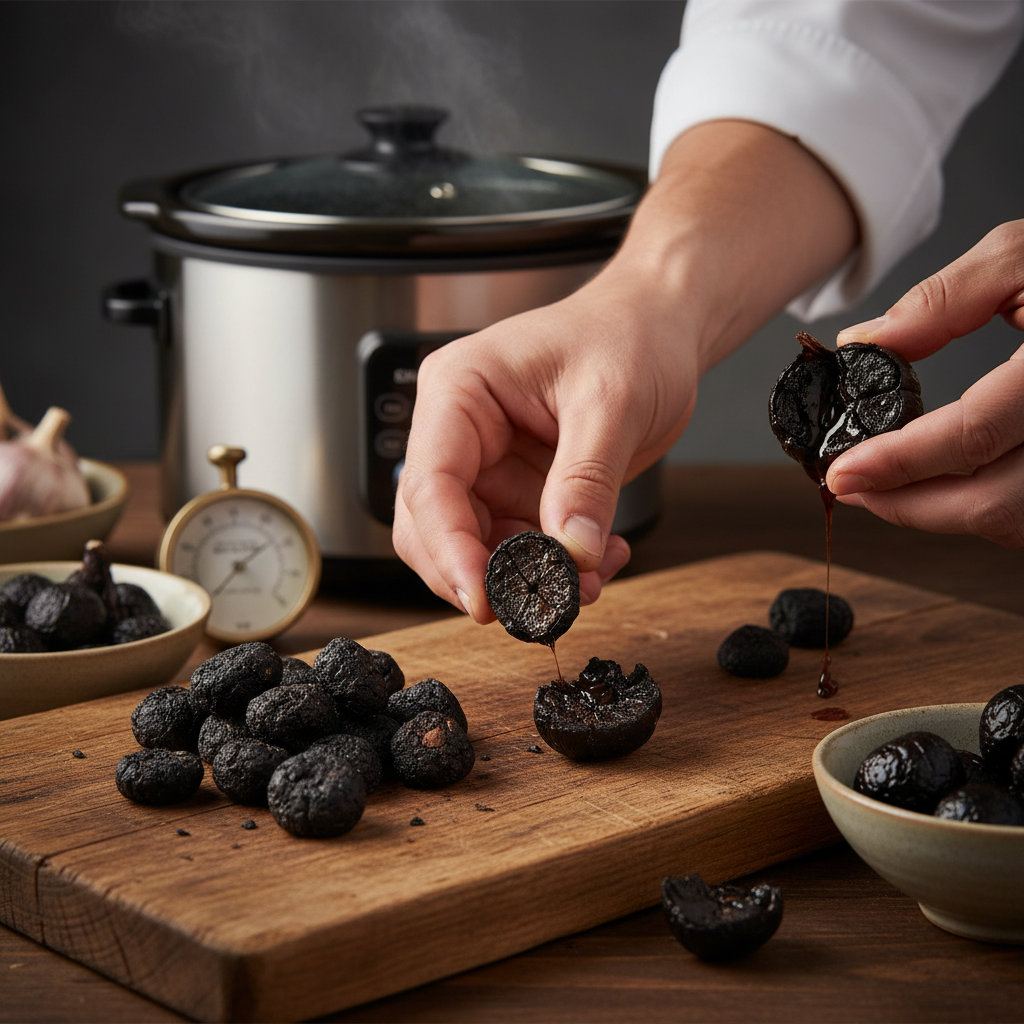
The ideal black garlic should be soft, pliable, and slightly chewy, with a jam-like or date-like consistency that’s easily spreadable. It boasts a deeply complex flavor, far removed from the pungent bite of raw garlic. When black garlic turns hard, it signifies that this delicate balance has been disrupted, resulting in a product that’s difficult to use and lacks the desired culinary qualities. The beauty of black garlic lies in its unique texture and taste; a hard clove loses much of its appeal and versatility in the kitchen.
The Core Culprit: Moisture Loss
The overwhelming reason why your black garlic might end up hard as a rock is simple: dehydration. During the extended heating process, if moisture is allowed to escape from the garlic bulbs, they will dry out instead of undergoing the full Maillard reaction necessary to achieve that desirable soft, gooey texture. This isn’t a fermentation issue; it’s a desiccation problem.
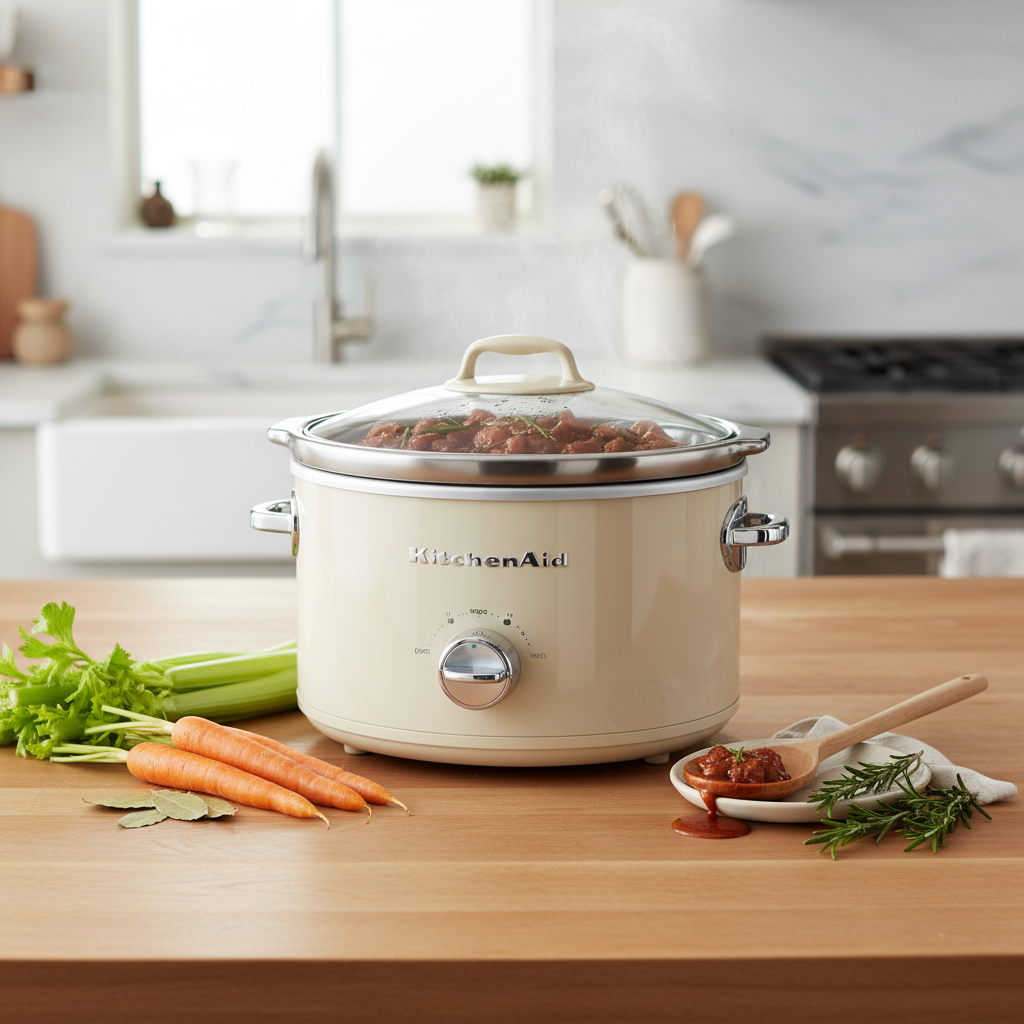
Whether you’re using a dedicated black garlic fermenter, a rice cooker on a “keep warm” setting, or a slow cooker, all methods require strict control over temperature and, crucially, humidity. In a rice cooker, for example, the vent often allows too much moisture to escape. Similarly, if garlic is simply placed in a fermenter without adequate sealing, the internal moisture will evaporate over time, leaving you with dry, hardened cloves. The goal is to create a consistently warm, humid environment that encourages the Maillard reaction while preventing the garlic from drying out.
Essential Solutions to Prevent Hard Black Garlic
Achieving perfectly soft black garlic hinges on maintaining the right balance of heat and humidity throughout the entire aging process. Here are the most effective strategies to prevent your black garlic from turning into hard pebbles:
The Power of Proper Sealing
The single most critical step to ensure soft black garlic is to keep the moisture locked in.
- Vacuum Sealing: This is often considered the gold standard. Place individual bulbs or several cloves into a vacuum-sealable bag and remove all the air. This creates an airtight environment that perfectly traps moisture.
- Foil and Plastic Wrap Method: If you don’t have a vacuum sealer, wrap each garlic bulb tightly. Start with one or two layers of plastic wrap (like Saran wrap), ensuring no air pockets, then follow with two to three layers of aluminum foil. The foil adds another barrier and helps protect the plastic from direct heat if using certain appliances. The key is to make it as airtight as possible.
- Using Sealed Containers within Fermenters: Even with a dedicated black garlic fermenter, it’s often advisable to place your wrapped garlic bulbs into a sealed container (e.g., a jar or a lidded plastic container) inside the fermenter. This creates a secondary barrier, further ensuring moisture retention.
|
Our Picks for the Best Black garlic fermenter in 2026
As an Amazon Associate I earn from qualifying purchases.
|
||
| Num | Product | Action |
|---|---|---|
| 1 | TECHTONGDA 5L Black Garlic Fermenter 110V Garlic Cooker 3D Heating Full Automatic Intelligent Control |

|
| 2 | 110V 6L Black Garlic Fermenter Intelligent Fully Automatic Black Garlic Machine Black Garlics Ferment Pot Garlic Ferment Box Black Garlic Maker DIY Cooker |
|
| 3 | Moongiantgo 7.5L Black Garlic Fermenter, Automatic Intelligent Control Garlic Fermenter Natto, Yogurt, Kimchi, Wine Fermenter Machine, Garlic Cooker with Precise Time Temperature Control, 110V (Brown) |
|
| 4 | WantJoin Black Garlic Fermenter 6L - Full Automatic Intelligent Control Black Garlic Maker, 360° Even Fermented,Makes 3-4 LBS Garlic Fermenter Machine, Makes Multi Clove & Whole Clove Garlic |
|
| 5 | INTBUYING 6L Black Garlic Fermenter,Garlic Ferment,Black Garlics Ferment Pot,Full Automatic Intelligent Control Black Garlics Maker Black Garlic Maker |
|
| 6 | Moongiantgo 8L Black Garlic Fermenter Garlic Fermenting Machine, Easy One-Button Operation Automatic Intelligent Large Capacity Black Garlic Maker with Precise Time Control for 6-16 Days, 110V (8L) |
|
| 7 | 6L Black Garlic Fermenter Multifunctional Intelligent Fermenter Pot 6L Black Garlic, Sweet Rice, Natto,Yogurt Maker Garlic Fermenter Machine DIY Cooker |
|
| 8 | 5L Black Garlic Fermenter Full Automatic Intelligent Control Garlics Maker Multi Clove Garlic Cooker FCC UL Approved |
|
| 9 | 5L Black Garlic Fermenter, Automatic Garlic Fermenting machine, Wine Fermenting Machine, Yogurt Maker with Temperature Control |
|
| 10 | 6L Black Garlic Fermenter,Yogurt Maker with Adjustable Temperature & Time Control,Kimchi machine,Sweet Rice Wine Maker Full Automatic,Natto Maker,FCC UL Listed |
|
Maintaining Internal Humidity
Sometimes, simply sealing isn’t enough, especially if the garlic itself is already on the drier side.
- Slightly Moistening Garlic: Some experienced makers recommend lightly misting the garlic bulbs with a little water or sake before sealing them. This adds a small amount of initial moisture to aid the process.
- Wetting the Garlic Paper: If using the foil/plastic wrap method without pre-moistening the garlic, you can lightly dampen the garlic’s outer paper layers before wrapping. This provides a small, controlled amount of external moisture that can be absorbed.
- Humidity Control in Fermenters: Dedicated black garlic fermenters are designed with built-in humidity control. Ensure your unit is functioning correctly and, if possible, select a setting that maintains optimal moisture levels (typically 80-90% relative humidity).
“The secret to supple black garlic isn’t just about heat; it’s about holding onto every drop of that intrinsic moisture. Without proper sealing, you’re essentially slow-roasting, not transforming.” – Dr. Allicin S. Ferment, Food Science Researcher
Temperature and Time Management
While moisture is paramount, temperature and duration also play supporting roles in preventing hardness.
- Optimal Temperature Range: Black garlic typically requires a consistent temperature between 140°F (60°C) and 170°F (77°C) for the Maillard reaction to occur efficiently. Temperatures too high can accelerate drying, while too low can prevent proper transformation or extend the process indefinitely.
- Monitoring Duration: Most black garlic takes 2-4 weeks. While leaving it longer can intensify flavors, it also increases the risk of dehydration if not perfectly sealed. Check your garlic periodically (after 2-3 weeks) for texture. If it’s still firm, it needs more time; if it’s starting to feel dry, reassess your sealing method.
What to Do When Your Black Garlic is Already Hard
If your black garlic has already turned hard as a rock, unfortunately, there’s no magic trick to fully restore it to that soft, chewy consistency. Rehydrating it typically won’t yield the same texture as properly made black garlic. The chemical changes that lead to the hard, dry state are generally irreversible in a way that replicates the original desired outcome.
However, all is not lost! Hard black garlic is still perfectly safe to eat and can be repurposed effectively. The best way to salvage it is to grind it into a powder.
- Grinding Process: You can use a dedicated spice grinder, a clean coffee grinder (be warned, it will impart garlic aroma for a while!), or a small food processor. Break the hard cloves into smaller pieces first, then grind them until a fine powder is achieved.
- Uses for Black Garlic Powder: This powder is an excellent flavor enhancer. Sprinkle it into soups, stews, sauces, marinades, or rubs for meats. It can add a deep umami note to virtually any dish, acting as a versatile seasoning. Think of it as a concentrated flavor bomb, ready to elevate your cooking.
Expert Tips for Perfect Black Garlic Every Time
Beyond the core principles, these insights can help you consistently produce superior black garlic:
- Start with Quality Garlic: Use fresh, firm, unblemished garlic bulbs. Older or damaged garlic may not have sufficient moisture content to begin with, making it more prone to drying out.
- Don’t Overcrowd: Give your garlic bulbs space. Whether in a fermenter or a slow cooker, ensure there’s adequate airflow around each sealed bulb (even though they are sealed, this prevents hot spots and promotes even heating).
- Patience is Key: Black garlic is a slow process. Resist the urge to rush it. Consistent temperature and sealed moisture over weeks are what lead to the best results.
- Post-Fermentation Storage: Once your black garlic is perfectly soft and ready, store it properly to maintain its texture. Peeled cloves can be kept in an airtight container in the refrigerator for several weeks or even months. You can also cover them in olive oil to extend their shelf life further.
Conclusion
Achieving perfectly soft, sticky black garlic is a deeply rewarding culinary endeavor. The journey from pungent white clove to a sweet, savory, and umami-rich delicacy hinges on one critical factor: moisture control. By understanding that rock-hard black garlic is primarily a result of dehydration during the aging process, you can implement effective solutions. Proper sealing using vacuum bags or multiple layers of foil and plastic wrap, along with ensuring adequate initial moisture and a consistent temperature, are your strongest defenses against dry, unusable cloves. Even if a batch turns out hard, remember it can still lend its unique flavor to your cooking in powdered form. With these insights, you’re now equipped to troubleshoot past mistakes and confidently produce batch after batch of glorious, soft black garlic. What culinary creations will you infuse with the magic of perfectly made black garlic next?
Frequently Asked Questions
Can I rehydrate hard black garlic to make it soft again?
No, once black garlic has become hard and dry due to dehydration during the aging process, it’s generally not possible to fully rehydrate it back to its original soft, jam-like texture. The chemical changes that occur prevent it from absorbing moisture in the same way.
How do I know when black garlic is done and has the right texture?
Perfectly done black garlic should be dark black, soft, sticky, and chewy, with a slightly sweet and tangy flavor. It should feel pliable when gently squeezed and easily spreadable. If it’s still light brown or firm, it needs more time.
What’s the ideal humidity level for making black garlic?
While temperature is often discussed, high humidity is equally critical. The ideal relative humidity for making black garlic typically ranges between 80% and 90%. Dedicated fermenters are designed to maintain this, but when using other methods, proper sealing is essential to trap this humidity.
Why is my black garlic brown, not black, and also hard?
If your black garlic is brown and hard, it usually indicates insufficient time or inconsistent temperature for the Maillard reaction to fully develop, combined with moisture loss. The garlic needs more time at the correct temperature and with adequate moisture to deepen in color and soften in texture.