Black garlic, a culinary marvel cherished for its sweet, tangy, and umami-rich flavor, is a staple in many kitchens worldwide. However, the delightful experience of this aged delicacy can be quickly overshadowed by the unwelcome appearance of mold. Understanding why mold grows on black garlic and how to prevent it is crucial for ensuring both its quality and safety. This comprehensive guide, informed by expert insights and best practices, will help you protect your black garlic from spoilage, from production to plate.
Understanding Black Garlic and Its Vulnerability to Mold
Black garlic is not a fermented product in the traditional sense, but rather fresh garlic that undergoes a Maillard reaction—a complex non-enzymatic browning process—over several weeks or months. This aging occurs under carefully controlled high-temperature (60–90°C) and high-humidity (70–90%) conditions, transforming fresh white cloves into soft, jet-black ones with a unique flavor profile.
Despite its robust transformation, black garlic remains susceptible to mold growth due to several factors. The moisture content, while significantly reduced during aging, can still be conducive to mold if not managed correctly. Moreover, improper handling and storage can introduce mold spores, turning a beneficial food item into a potential health risk.
Primary Causes of Mold Growth on Black Garlic
Mold on black garlic typically stems from imperfect conditions during either its production or subsequent storage. Identifying these root causes is the first step toward effective prevention.
Improper Production Process
The meticulous process of creating black garlic requires precise control. Issues during this phase can predispose the product to mold:
- Insufficient Fermentation (Aging): If the aging process is incomplete or the temperature and humidity are not adequately controlled (e.g., insufficient temperature or excessive humidity), residual moisture can remain trapped inside the garlic, creating an ideal environment for mold proliferation. Black garlic aging machines should maintain 60-80°C and 60-80% relative humidity, avoiding humidity above 85%.
- Inadequate Sterilization: Contamination from the raw garlic surface or unclean equipment and containers before and during aging can introduce bacteria and mold spores that multiply over time.
|
Our Picks for the Best Black garlic fermenter in 2026
As an Amazon Associate I earn from qualifying purchases.
|
||
| Num | Product | Action |
|---|---|---|
| 1 | Moongiantgo 7.5L Black Garlic Fermenter, Automatic Intelligent Control Garlic Fermenter Natto, Yogurt, Kimchi, Wine Fermenter Machine, Garlic Cooker with Precise Time Temperature Control, 110V (Brown) |

|
| 2 | TECHTONGDA 5L Black Garlic Fermenter 110V Garlic Cooker 3D Heating Full Automatic Intelligent Control |
|
| 3 | 5L Black Garlic Fermenter, Automatic Garlic Fermenting machine, Wine Fermenting Machine, Yogurt Maker with Temperature Control |
|
| 4 | 110V 6L Black Garlic Fermenter Intelligent Fully Automatic Black Garlic Machine Black Garlics Ferment Pot Garlic Ferment Box Black Garlic Maker DIY Cooker |
|
| 5 | WantJoin Black Garlic Fermenter 6L - Full Automatic Intelligent Control Black Garlic Maker, 360° Even Fermented,Makes 3-4 LBS Garlic Fermenter Machine, Makes Multi Clove & Whole Clove Garlic |
|
| 6 | INTBUYING 6L Black Garlic Fermenter,Garlic Ferment,Black Garlics Ferment Pot,Full Automatic Intelligent Control Black Garlics Maker Black Garlic Maker |
|
| 7 | 6L Black Garlic Fermenter Multifunctional Intelligent Fermenter Pot 6L Black Garlic, Sweet Rice, Natto,Yogurt Maker Garlic Fermenter Machine DIY Cooker |
|
| 8 | 6L Black Garlic Fermenter,Yogurt Maker with Adjustable Temperature & Time Control,Kimchi machine,Sweet Rice Wine Maker Full Automatic,Natto Maker,FCC UL Listed |
|
| 9 | 5L Black Garlic Fermenter Full Automatic Intelligent Control Garlics Maker Multi Clove Garlic Cooker FCC UL Approved |
|
| 10 | Moongiantgo 8L Black Garlic Fermenter Garlic Fermenting Machine, Easy One-Button Operation Automatic Intelligent Large Capacity Black Garlic Maker with Precise Time Control for 6-16 Days, 110V (8L) |
|
Inadequate Storage Conditions
Once black garlic is “fermented” (aged), how it’s stored plays a critical role in preventing mold.
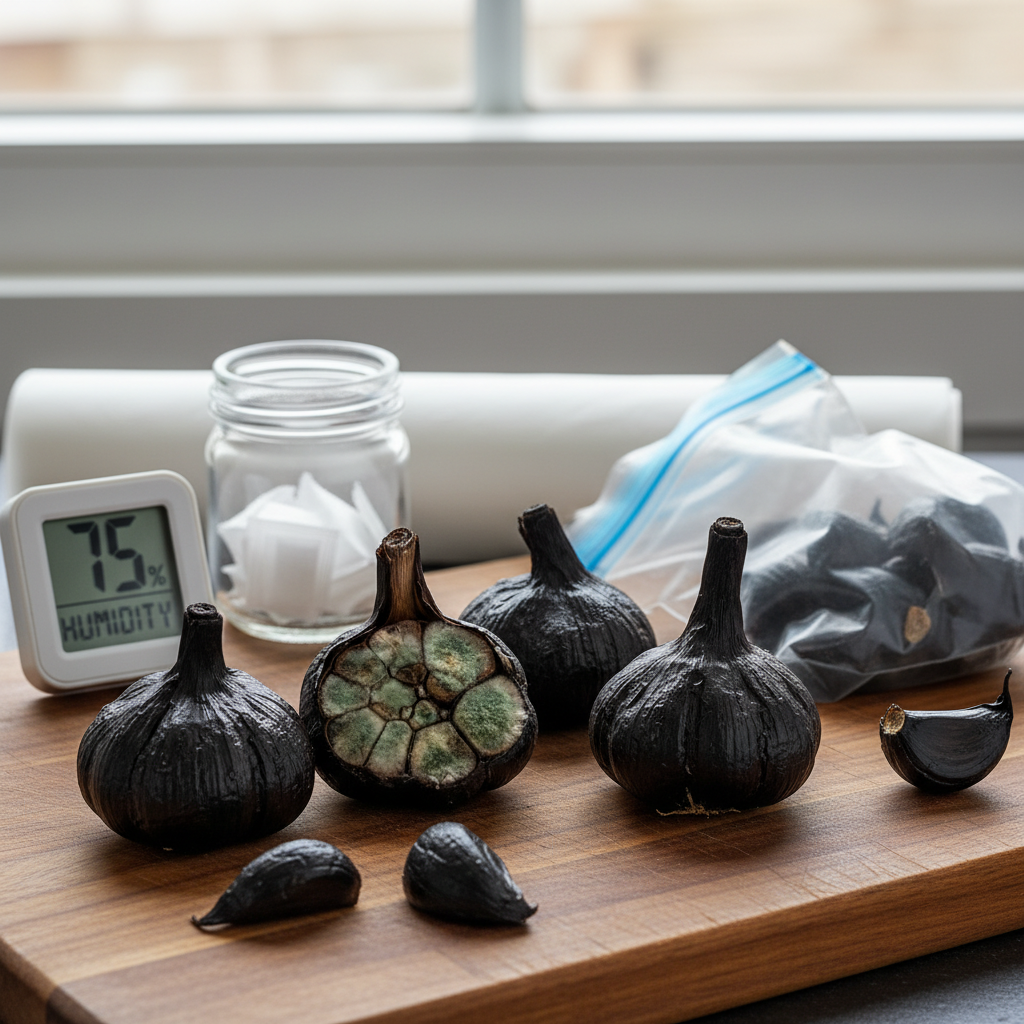
- Excessive Humidity: Black garlic thrives in a dry environment. Exposure to humid air or poor sealing, especially when refrigerated, can allow moisture to seep in, directly leading to mold.
- Temperature Fluctuations: Frequent changes in temperature can cause condensation on the garlic, increasing surface humidity and encouraging mold growth. A consistent cool, dry place at room temperature is often preferable to refrigeration for whole bulbs.
- Poor Sealing: If packaging is not properly sealed or resealed after opening, it exposes the black garlic to airborne mold spores, facilitating contamination.
Quality Issues with Raw Materials or Finished Product
The initial quality of the garlic and any subsequent degradation can also contribute to mold:
- Damaged or Moldy Raw Garlic: Using garlic bulbs with bruises, damage, or existing mold spots before the aging process can lead to these issues worsening during the long aging period.
- Prolonged Storage: Even under optimal conditions, black garlic can eventually degrade over extended periods, gradually absorbing moisture and becoming more susceptible to mold.
Effective Strategies to Prevent Mold on Black Garlic
Preventing mold requires a multi-faceted approach, focusing on meticulous production and diligent storage practices.
Optimizing the Fermentation Process
For those making black garlic at home, or for commercial producers, controlling the aging environment is paramount:
- Selecting Quality Raw Garlic: Start with fresh, undamaged garlic bulbs that are free from any mold or dampness. Testing moisture content of raw garlic upon arrival (recommended ≤65%) can prevent future fermentation issues.
- Controlling Temperature and Humidity: Maintain consistent temperatures between 60-80°C and relative humidity between 60-80% throughout the aging period. Automated monitoring systems are invaluable for real-time data logging and preventing fluctuations. Avoid using household appliances like slow cookers or rice cookers for black garlic production, as they often lack the consistent temperature monitoring required to prevent pathogen growth like Clostridium botulinum and mold.
- Ensuring Proper Drying: Allow sufficient aging time (typically 30-45 days) to eliminate residual moisture. After aging, low-temperature drying (40-50°C with air circulation for 12-24 hours) to reduce moisture content to ≤20% is recommended. The garlic should be cooled to room temperature before packaging to prevent condensation.
Best Practices for Storage
Once your black garlic is ready, proper storage is key to its longevity and mold prevention:
- Airtight Containers: Store whole bulbs or peeled cloves in airtight containers to limit exposure to moisture and airborne mold spores.
- Cool, Dry, Dark Place: Whole bulbs in their paper casing can be stored at room temperature (around 55-65°F / 13-18°C) in a dark, dry, and cool pantry or cupboard for up to a month, as good air circulation helps deter mold. Avoid warm, damp conditions and direct sunlight.
- Refrigeration/Freezing: Peeled black garlic cloves or purees should be stored in an airtight container in the refrigerator, where they can last about a week. For longer preservation, freezing peeled cloves in an airtight container can extend their shelf life up to a year. Note that whole garlic bulbs may sprout if stored in the refrigerator. If the black garlic has a pH above 4.2 and a water activity (Aw) below 0.85, it can be shelf-stable at room temperature. Otherwise, if pH is above 4.2, it must be refrigerated.
- Vacuum Sealing: For commercially produced black garlic, vacuum or nitrogen packaging with high-barrier materials (like aluminum composite films) and oxygen levels below 1% significantly reduces mold risk.
Maintaining Hygiene
Cleanliness is a critical, yet often overlooked, aspect of mold prevention:
- Clean Equipment: Regularly sanitize all equipment, including fermentation chambers, conveyors, and packaging machines, using food-grade disinfectants or alcohol.
- Proper Handling: Ensure that hands are clean and proper cleanroom attire (gloves, masks, coveralls) is used during handling to minimize cross-contamination.
Recognizing and Addressing Mold on Black Garlic
It is vital to distinguish between harmless cosmetic changes and actual mold, and to act decisively when mold is present.
Identifying Mold
Mold on garlic can appear as white, dark brown, or black fuzzy spots, or even a wet, mushy texture. These can be on the outer husk or spread to the cloves. Unlike harmless garlic sprouts, which are green shoots from the clove’s core without fuzz, mold always presents as fuzzy patches. Musty odors, even without visible mold, can also indicate advanced fungal growth.
“Moldy garlic isn’t a salvage project—it’s a non-negotiable discard. Contrary to kitchen folklore, trimming moldy spots won’t neutralize toxins like aflatoxin, which permeate the entire bulb.” — Dr. Elena Rodriguez, Food Safety Specialist
What to Do If Black Garlic Gets Moldy
According to food safety specialists, if you see visible fuzzy mold (white, green, or black) or notice a musty odor, the entire bulb of garlic should be discarded immediately. This is because fungi like Penicillium and Aspergillus produce mycotoxins that can spread invisibly throughout the garlic’s moist tissue, even beyond the visible mold. Trimming moldy spots is ineffective, as these toxins can permeate all cloves and often withstand cooking temperatures. For 95% of home cooks, this means no testing, no trimming, and no exceptions—just toss the whole head.
Troubleshooting Common Black Garlic Issues Beyond Mold
While mold is a primary concern, other issues can arise during black garlic production or storage. If your black garlic has an unusual sour or bitter taste, it might indicate too much moisture was trapped during the aging process. This can lead to bacterial growth that feeds on the sugars produced during the Maillard reaction. Ensuring proper air circulation and appropriate, consistent temperatures and humidity levels are key to avoiding these off-flavors.
Conclusion
Black garlic is a versatile ingredient that elevates numerous dishes, but its unique aging process and properties demand careful attention to prevent mold. By understanding the causes—primarily inadequate temperature and humidity control during production and storage, poor sealing, and initial raw material quality—you can implement effective prevention strategies. Prioritize clean practices, maintain consistent environmental conditions, and store black garlic correctly in airtight containers in a cool, dry place. Remember, if mold is present, it’s always safest to discard the entire bulb to avoid potential health risks from mycotoxins. With these guidelines, you can consistently enjoy perfect, mold-free black garlic.
What are your go-to methods for keeping your black garlic fresh and delicious?
Frequently Asked Questions
Is white fuzzy stuff on black garlic mold?
Yes, any visible fuzzy spots, whether white, green, or black, on black garlic indicate mold. It is important to discard the entire bulb immediately, as toxins can spread invisibly throughout the garlic.
How long can black garlic be stored?
Whole bulbs of black garlic in their paper casing can last up to a month at room temperature in a cool, dark, dry place. Peeled cloves stored in an airtight container in the refrigerator last about a week, while freezing peeled cloves can extend their shelf life up to a year.
Can you eat moldy black garlic?
No, you should never eat moldy black garlic. Mycotoxins produced by mold can permeate the entire bulb and are not destroyed by cooking. Discard the whole head to prevent health risks.
What is the ideal humidity for fermenting black garlic?
The ideal relative humidity for aging black garlic is typically between 60-80%. Humidity levels above 85% should be avoided as they can promote mold growth.
Should black garlic be refrigerated?
Whole bulbs of black garlic can be stored at room temperature in a cool, dry place for up to a month. However, peeled black garlic cloves should be refrigerated in an airtight container, where they will last about a week. Refrigeration is also necessary if the black garlic has a pH above 4.2 and a water activity (Aw) above 0.85.