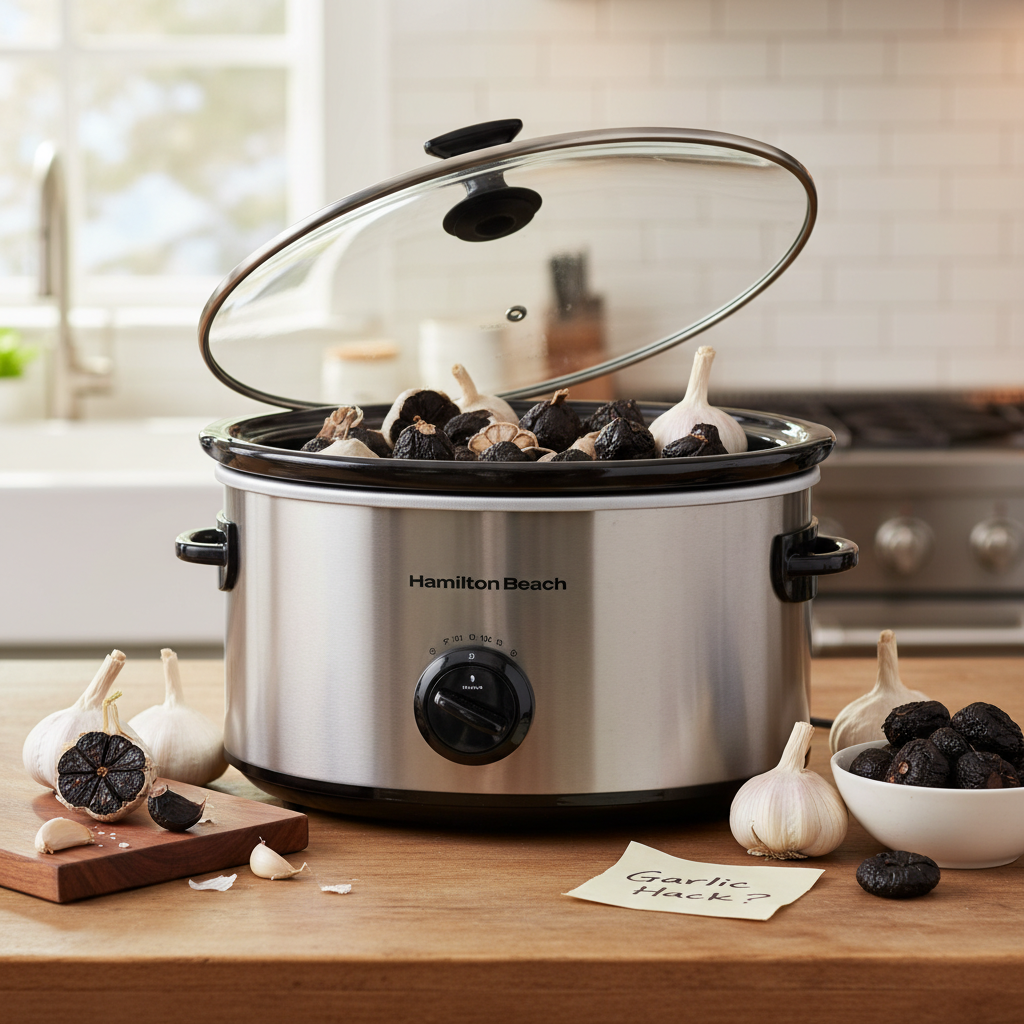
Black garlic, with its distinctive sweet and savory notes, has captivated food enthusiasts and chefs alike. Its transformation from pungent white cloves into a dark, tender, and intensely flavored delicacy is a culinary marvel. If you’ve been considering making this ingredient at home, you’ve likely encountered a key question: should you use a simple rice cooker or invest in a dedicated black garlic fermenter? This article will delve deep into both methods, comparing their processes, outcomes, and overall value to help you decide which path leads to your perfect black garlic.
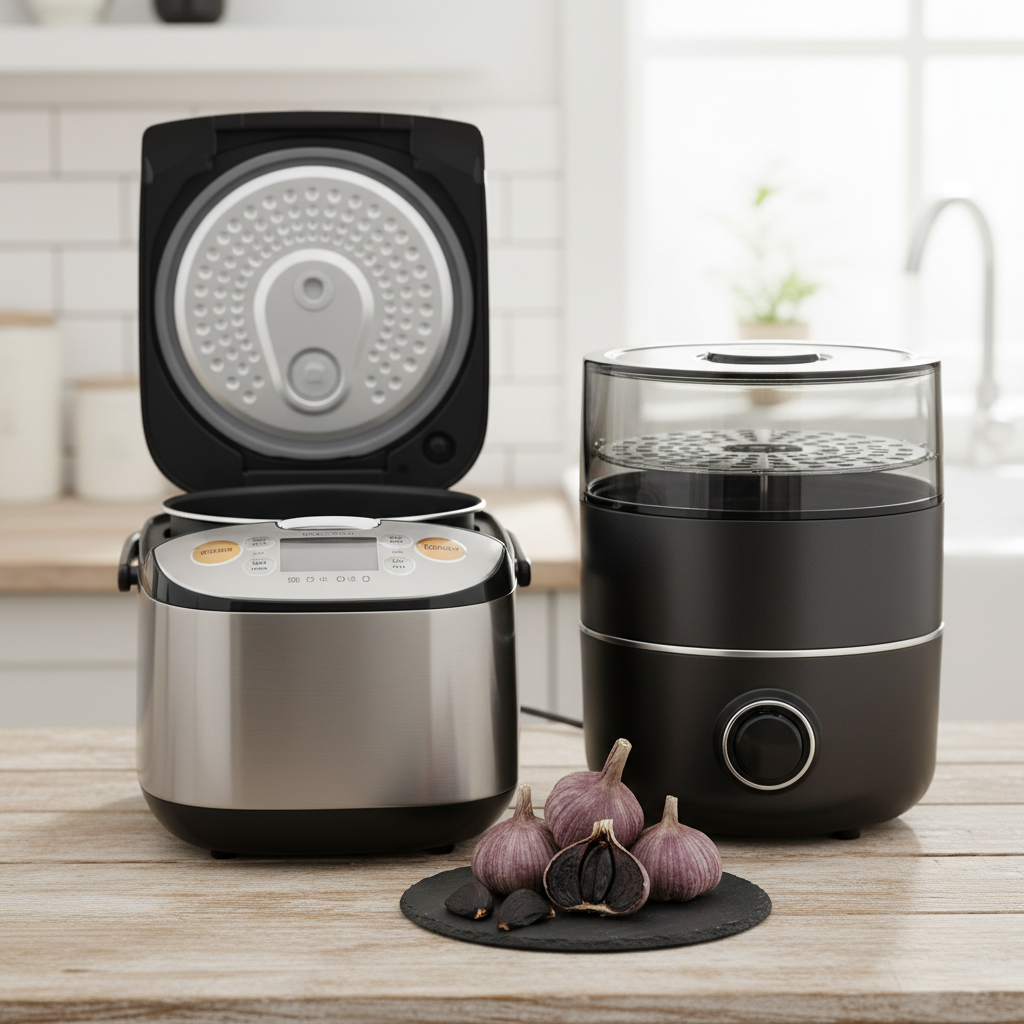
Overview of Black Garlic Production
Often mistakenly called “fermented garlic,” black garlic is actually a product of a slow aging process known as the Maillard reaction. This complex chemical reaction, also responsible for the browning of seared meats and toasted bread, occurs when amino acids and reducing sugars react under controlled low heat and high humidity over an extended period. Unlike traditional fermentation, which relies on microorganisms, black garlic’s transformation is enzymatic and chemical.
The process typically unfolds over several weeks, causing the garlic cloves to turn a deep, glossy black. Their texture softens, becoming jammy and spreadable, akin to a Medjool date. The sharp, pungent bite of raw garlic mellows into a rich, sweet, and tangy flavor profile, often described as having notes of molasses, balsamic vinegar, and even tamarind. Beyond its unique taste, black garlic is celebrated for its amplified health benefits. The aging process significantly boosts its antioxidant content, making it up to 12 times higher than raw garlic, and increases compounds like S-allyl cysteine (SAC), known for supporting heart health and immunity.
Rice Cooker for Black Garlic: Pros and Cons
The rice cooker method for making black garlic is a popular choice for home cooks due to its accessibility and affordability. It leverages an appliance many already own, making it an attractive entry point into the world of black garlic.
Advantages of Using a Rice Cooker
|
Our Picks for the Best Black garlic fermenter in 2026
As an Amazon Associate I earn from qualifying purchases.
|
||
| Num | Product | Action |
|---|---|---|
| 1 | 5L Black Garlic Fermenter Full Automatic Intelligent Control Garlics Maker Multi Clove Garlic Cooker FCC UL Approved |

|
| 2 | Moongiantgo 8L Black Garlic Fermenter Garlic Fermenting Machine, Easy One-Button Operation Automatic Intelligent Large Capacity Black Garlic Maker with Precise Time Control for 6-16 Days, 110V (8L) |
|
| 3 | WantJoin Black Garlic Fermenter 6L - Full Automatic Intelligent Control Black Garlic Maker, 360° Even Fermented,Makes 3-4 LBS Garlic Fermenter Machine, Makes Multi Clove & Whole Clove Garlic |
|
| 4 | 5L Black Garlic Fermenter, Automatic Garlic Fermenting machine, Wine Fermenting Machine, Yogurt Maker with Temperature Control |
|
| 5 | TECHTONGDA 5L Black Garlic Fermenter 110V Garlic Cooker 3D Heating Full Automatic Intelligent Control |
|
| 6 | 6L Black Garlic Fermenter,Yogurt Maker with Adjustable Temperature & Time Control,Kimchi machine,Sweet Rice Wine Maker Full Automatic,Natto Maker,FCC UL Listed |
|
| 7 | 6L Black Garlic Fermenter Multifunctional Intelligent Fermenter Pot 6L Black Garlic, Sweet Rice, Natto,Yogurt Maker Garlic Fermenter Machine DIY Cooker |
|
| 8 | INTBUYING 6L Black Garlic Fermenter,Garlic Ferment,Black Garlics Ferment Pot,Full Automatic Intelligent Control Black Garlics Maker Black Garlic Maker |
|
| 9 | Moongiantgo 7.5L Black Garlic Fermenter, Automatic Intelligent Control Garlic Fermenter Natto, Yogurt, Kimchi, Wine Fermenter Machine, Garlic Cooker with Precise Time Temperature Control, 110V (Brown) |
|
| 10 | 110V 6L Black Garlic Fermenter Intelligent Fully Automatic Black Garlic Machine Black Garlics Ferment Pot Garlic Ferment Box Black Garlic Maker DIY Cooker |
|
One of the primary benefits of using a rice cooker is its convenience as an existing kitchen appliance. There’s no need for an additional purchase, which makes it a budget-friendly option for those looking to experiment with black garlic without a significant upfront investment. Rice cookers, particularly older models with a simple “keep warm” setting, can maintain a consistent low temperature crucial for the Maillard reaction. This allows home cooks to transform several heads of garlic into the desired black delicacy over a period of 8 days to several weeks, yielding small, manageable batches for personal use. It’s an excellent way to dip your toes into black garlic production and see if it’s a staple you want in your kitchen.
Disadvantages of Using a Rice Cooker
Despite its accessibility, the rice cooker method comes with several notable drawbacks. A common issue is the inconsistent temperature and humidity control, as most rice cookers are not designed for the precise, prolonged low-heat conditions required for black garlic. This can lead to variable results, with some batches turning out too dry and brittle, or even bitter and burnt if the temperature fluctuates too high. To counteract moisture loss, users often need to manually wrap individual garlic heads in foil and cover the rice cooker lid with additional foil, demanding more hands-on attention.
Perhaps the most frequently cited disadvantage is the pervasive, strong garlic odor that permeates the entire house for the duration of the aging process. This “garlic cloud” can be overwhelming for some, often necessitating relocating the rice cooker to a garage, basement, or well-ventilated shed. Furthermore, dedicating a rice cooker to this task means it will be out of commission for two to three weeks, or even longer, which can be inconvenient if it’s a frequently used appliance. Lastly, running a standard rice cooker on its “keep warm” setting continuously for weeks can be less energy-efficient than a purpose-built fermenter, potentially leading to higher electricity bills over time.
Dedicated Fermenter for Black Garlic: Pros and Cons
For those serious about consistent, high-quality black garlic, a dedicated fermenter is often the preferred choice. These specialized appliances are engineered to create the optimal environment for the Maillard reaction.
Benefits of a Black Garlic Fermenter
Dedicated black garlic fermenters are designed with precision in mind. They feature built-in temperature and humidity controls that ensure an even and consistent aging process, leading to reliable, high-quality results batch after batch. This “set it and forget it” convenience significantly reduces the need for constant monitoring and adjustments, making the process virtually hands-free. Many models also incorporate effective odor control mechanisms, such as insulation and ventilation systems, to minimize the strong garlic aroma in your living space, a major advantage over rice cookers.
Modern fermenters often come with additional features that enhance their appeal. These can include power-off memory functions that automatically resume the cycle after an outage, removable inner pots for easy cleaning, and multi-layered racks to optimize air circulation and accommodate larger quantities of garlic. Some advanced fermenters are even multi-purpose, capable of making other fermented foods like yogurt, natto, or fruit wine, adding to their versatility. This level of precision and automation often results in a perfectly soft, jammy texture and a complex flavor profile that is uniformly rich and sweet.
Drawbacks of a Black Garlic Fermenter
The most significant drawback of a dedicated black garlic fermenter is the upfront financial investment. These machines can range from around €130 to €400 or more, which is a considerable cost compared to using an existing rice cooker. For someone only making black garlic occasionally, this might seem prohibitive. Additionally, a fermenter is a specialized appliance, meaning it will occupy dedicated counter or storage space in your kitchen. While some models offer multi-functional capabilities, their primary design is for black garlic, making them a “single-use” item for many home cooks.
Feature Comparison: Rice Cooker vs. Fermenter
To provide a clearer picture, let’s compare the key aspects of making black garlic using a rice cooker versus a dedicated fermenter.
| Aspect | Dedicated Fermenter | Rice Cooker Method |
|---|---|---|
| Flavor Depth | Consistently rich and nuanced | Variable, can be less complex |
| Sweetness Level | Uniform and well-developed | Can be slightly inconsistent |
| Texture | Perfectly soft, jammy, and uniform | Sometimes uneven, can be dry or overdone |
| Moisture Control | Precise and automated | Less controlled, requires manual sealing (foil) |
| Odor Control | Effective, often with built-in filters | Minimal, strong aroma permeates the living space |
| Cost | Higher upfront investment (e.g., €130-€400) | Low (if owned), or cheaper initial purchase |
| Ease of Use | Low maintenance, “set it and forget it” | Requires more attention, frequent checks, manual adjustments |
| Time (typical) | Often 7-12 days (for specific models) or 15-21 days for general models | 8 days to several weeks, or even up to 2 months |
| Uniformity | Excellent, consistent results across batches | Good to average, prone to variations |
| Energy Efficiency | Generally more efficient for long periods | Less efficient for continuous “keep warm” |
Factors to Consider When Choosing Your Method (Buying Guide)
Deciding between a rice cooker and a dedicated fermenter ultimately depends on your individual needs, commitment, and culinary aspirations.
Desired Quality and Consistency
If achieving consistently perfect black garlic with that ideal jammy texture and complex flavor is your top priority, a dedicated fermenter is the superior choice. Its precise control over temperature and humidity largely eliminates the guesswork and variations often associated with the rice cooker method. However, if you are content with acceptable, though potentially less uniform, results and enjoy the hands-on experimentation, a rice cooker can still deliver satisfactory black garlic.
Cost and Investment
Consider your budget carefully. A rice cooker, especially if you already own one, represents a minimal investment. It’s an excellent way to test your interest in making black garlic without financial commitment. If you find yourself frequently making black garlic and desire better outcomes, then the higher upfront cost of a fermenter might be justified by its long-term consistency and efficiency. Over time, a more energy-efficient fermenter could even lead to savings on electricity compared to a rice cooker running constantly for weeks.
Ease of Use and Convenience
For a truly “set it and forget it” experience, a dedicated black garlic fermenter wins hands down. Its automated process requires minimal intervention once started. The rice cooker method, by contrast, demands more attention, often requiring you to monitor temperatures, add moisture, and perhaps even adjust the garlic’s position to ensure even aging. If your kitchen is already bustling, the low-maintenance nature of a fermenter can be a significant advantage.
Batch Size and Frequency
How much black garlic do you plan to make, and how often? If you only intend to make small batches occasionally, using your rice cooker is perfectly viable. It might be out of commission for a week or two, but it won’t impact your daily cooking significantly. However, if you envision making black garlic regularly or in larger quantities, a dedicated fermenter with its optimized capacity and consistent performance will be far more practical and rewarding.
Safety and Reliability
While generally safe, homemade black garlic requires maintaining specific temperatures to prevent spoilage. Dedicated fermenters are engineered for this purpose, providing a controlled environment that minimizes risks. With a rice cooker, you might need to ensure it has a reliable “keep warm” function that doesn’t automatically shut off or reach dangerously high temperatures. Monitoring the temperature with an external thermometer can add a layer of safety and control when using a rice cooker.
Tips for Making the Best Black Garlic
Regardless of your chosen method, a few universal tips can help ensure your black garlic journey is successful and yields the best possible results.
Firstly, start with high-quality fresh garlic. The better the raw ingredient, the better your final product will be. Choose firm, unblemished heads of garlic, ideally with a higher sugar content for a milder, more caramel-like flavor.
Secondly, maintain optimal conditions. The Maillard reaction thrives at specific temperatures, typically between 140-170°F (60-77°C), and requires high humidity. For rice cooker users, this means carefully selecting a cooker with a reliable “keep warm” setting within this range and perhaps using a probe thermometer to monitor the internal temperature. Wrapping the garlic bulbs tightly in foil and even covering the rice cooker lid with foil can help trap essential moisture.
Thirdly, exercise patience and resist the urge to peek. The transformation of black garlic is a slow dance of chemistry, taking anywhere from 8 days to several months depending on the method and desired outcome. Opening the rice cooker too often releases valuable heat and humidity, disrupting the delicate process. Let your chosen appliance do its work uninterrupted.
Finally, consider location for odor control. If using a rice cooker, place it in a well-ventilated area away from your main living spaces, such as a garage, basement, or even a bathroom with an open window. Dedicated fermenters often have built-in filters to manage the aroma, making them more suitable for kitchen counter placement.
Troubleshooting Common Issues
Even with the best intentions, making black garlic can sometimes present challenges. Here are a few common issues and how to address them:
- Garlic is too dry or hard: This often indicates insufficient humidity. If using a rice cooker, ensure the garlic heads are tightly wrapped in foil, and the cooker lid is sealed effectively (e.g., with extra foil) to trap moisture. For fermenters, check if the humidity settings are correctly applied.
- Garlic is too wet or soggy: Excess moisture can hinder the Maillard reaction. For rice cookers, try adding a small wire rack to elevate the garlic slightly from the bottom, or ensure the lid isn’t sealing too tightly if condensation is pooling excessively. Fermenters usually manage this automatically.
- Bitter or burnt flavor: This is a clear sign that the temperature was too high. If using a rice cooker, verify its “keep warm” temperature with a thermometer. If it consistently runs too hot, consider propping the lid open slightly or adding insulation around the garlic to shield it from direct heat.
- Not turning black or softening: The temperature might be too low, or not enough time has passed. Ensure your appliance is maintaining the ideal 140-170°F (60-77°C) range. Black garlic demands patience; extend the aging period.
- Overpowering garlic odor: If the smell is an issue with a rice cooker, move the appliance to an isolated, well-ventilated area like a garage or shed. Dedicated fermenters are generally much better at containing odors.
Conclusion
The journey to making black garlic is a rewarding one, culminating in an ingredient that elevates countless dishes with its rich, umami-packed sweetness. Whether a rice cooker or a dedicated fermenter is the “better” choice ultimately depends on your personal commitment, budget, and desired level of convenience and consistency. For those just beginning or with limited budgets, a rice cooker offers an accessible entry point to experiment with this culinary magic. However, if you envision black garlic as a regular fixture in your kitchen and prioritize precise control, consistent results, and minimal effort, a dedicated fermenter is a worthwhile investment. No matter your chosen method, patience and attention to the subtle dance of heat and humidity will guide you to culinary success. What exquisite dishes will you create with your homemade black garlic?
Frequently Asked Questions
Is black garlic truly fermented?
While often referred to as “fermented,” black garlic is actually created through an aging process called the Maillard reaction. This involves a slow, controlled heating of garlic at specific temperatures and humidity levels over weeks or months, transforming its color, texture, and flavor without the need for microbial activity.
How long does black garlic take to make?
The time required to make black garlic can vary significantly depending on the method and desired consistency. In a dedicated fermenter, it typically takes anywhere from 7 to 21 days. Using a rice cooker, the process usually extends from about 8 days to several weeks, or even up to two months, due to less precise control over temperature and humidity.
What temperature is ideal for making black garlic?
The ideal temperature range for making black garlic is generally between 140-170°F (60-77°C). Maintaining this low, consistent heat is crucial for the Maillard reaction to occur properly, yielding the characteristic black color, soft texture, and sweet-savory flavor. Temperatures too high can scorch the garlic, while too low may prevent the transformation.
Can I use any rice cooker to make black garlic?
While many rice cookers can be adapted, not all are ideal. The best rice cookers for black garlic are those that can maintain a consistent “keep warm” temperature within the 120-190°F (49-87°C) range for an extended period without automatically shutting off. Older models with simpler controls often work better than newer, more automated ones.
What are the health benefits of black garlic?
Black garlic offers numerous health benefits, many of which are amplified compared to raw garlic. It is significantly higher in antioxidants, containing up to 12 times more, and boasts increased levels of S-allyl cysteine (SAC). These compounds contribute to its anti-inflammatory, cardiovascular-supporting, blood sugar-regulating, and immune-boosting properties.