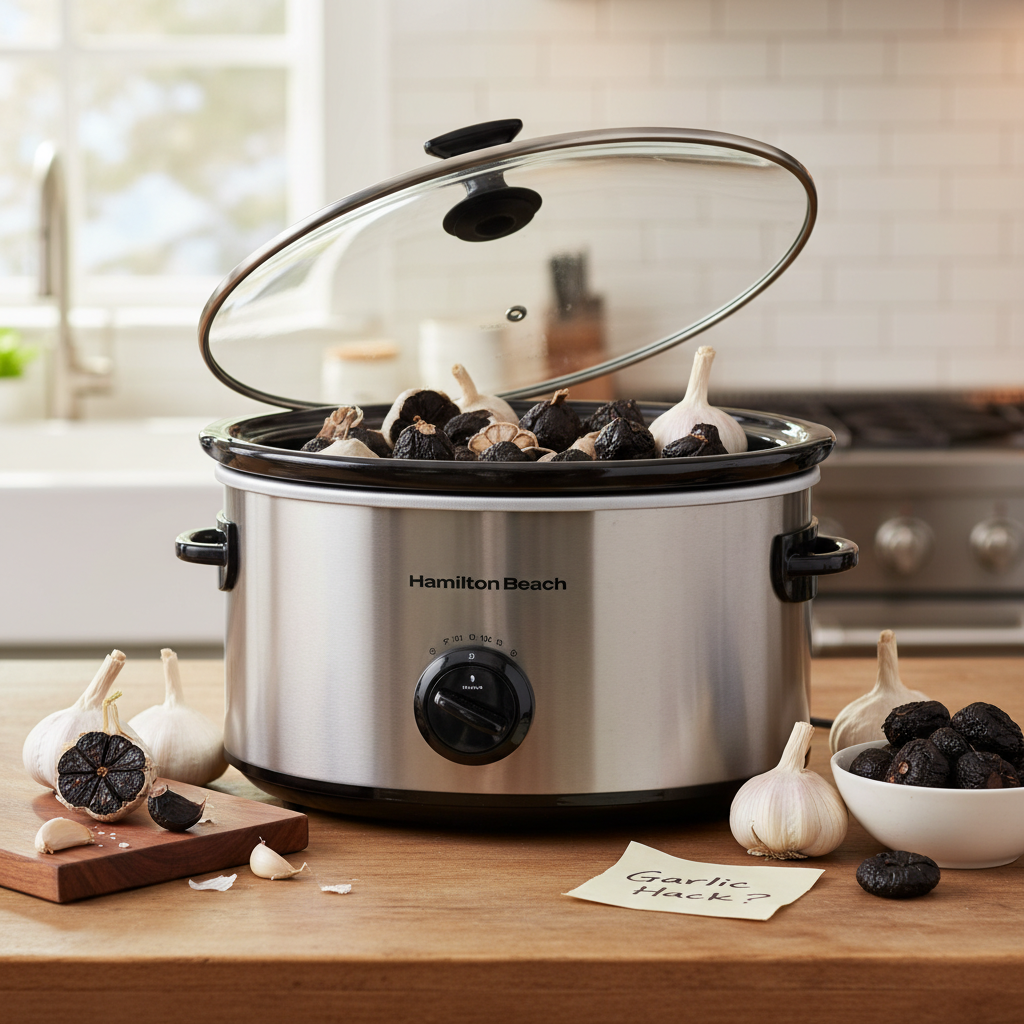
The allure of black garlic, with its sweet, tangy, and umami-rich flavor profile, has captured the imagination of home cooks and professional chefs alike. Traditionally, creating this culinary marvel required weeks of precise temperature and humidity control. Modern multi-cookers like the Instant Pot Max, equipped with a dedicated sous vide function, promise to simplify this lengthy process. But can the Instant Pot Max truly deliver authentic black garlic using its sous vide capabilities? This comprehensive review delves into its performance, offering insights to help you decide if it’s the right tool for your black garlic journey.
Understanding Black Garlic and the Sous Vide Method
Black garlic is not a special variety of garlic, nor is it a fermented product in the traditional sense. Instead, it’s regular garlic that undergoes a transformative process called the Maillard reaction—a non-enzymatic browning reaction between amino acids and reducing sugars. This reaction, catalyzed by consistent low heat and controlled humidity over several weeks, turns the cloves soft, sticky, and distinctly black, while eliminating the pungent bite of raw garlic. The flavor evolves into something complex, often described as a blend of balsamic vinegar, molasses, and savory umami.
Why consider sous vide for black garlic? The core principle of sous vide, which means “under vacuum” in French, is precise temperature control. By immersing vacuum-sealed food in a temperature-regulated water bath, sous vide ensures that the food cooks evenly and to an exact degree. For black garlic, this precise, consistent low heat is crucial for fostering the Maillard reaction without burning or drying out the cloves. Compared to traditional methods using rice cookers or slow cookers, which can have fluctuating temperatures, sous vide theoretically offers a more stable environment for optimal results.
Instant Pot Max: A Closer Look at its Sous Vide Capability
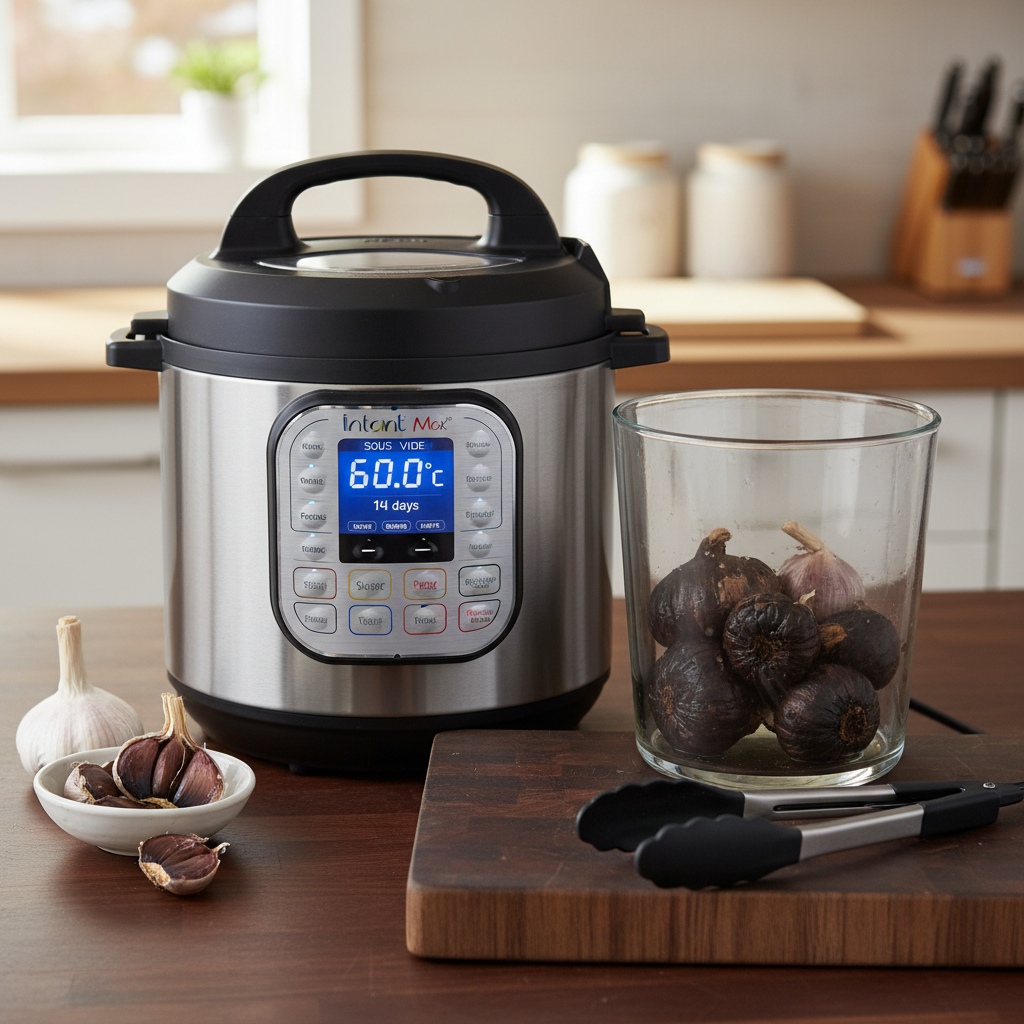
The Instant Pot Max distinguishes itself in the multi-cooker lineup by offering a built-in sous vide program, setting it apart from models that rely on external immersion circulators or less precise “Keep Warm” functions. This integrated feature allows users to directly set a target temperature for a prolonged period, typically from 140°F to 170°F (60°C to 77°C), which falls within the ideal range for black garlic production. The Max also boasts an intuitive LCD touchscreen control panel, making it easier to adjust time, temperature, and other settings.
However, a key characteristic of the Instant Pot Max’s sous vide function is the absence of a dedicated water circulation pump. Unlike standalone sous vide immersion circulators that actively move water to ensure uniform temperature throughout the bath, the Max relies on convection. While the Max can maintain the set temperature reasonably well, particularly for smaller quantities, some users report slight temperature variations (a few degrees Fahrenheit) in different parts of the pot over extended cooking times. For shorter, less sensitive sous vide tasks, this might not be an issue, but for a weeks-long process like black garlic, consistency is paramount.
Step-by-Step: Making Black Garlic with Instant Pot Max Sous Vide
Crafting black garlic in your Instant Pot Max using the sous vide function is a patient process that demands attention to detail.
- Garlic Preparation: Start with fresh, firm garlic bulbs. Do not peel them, as the papery skin helps protect the cloves and retain moisture during the long cooking process. Gently clean any loose dirt from the outside of the bulbs.
- Packaging: This is critical for both moisture retention and odor control.
- Vacuum Sealing (Recommended): Place individual garlic bulbs (or a few together, ensuring they don’t overcrowd the bag) into vacuum-sealable bags. Remove as much air as possible to create a tight seal. This method is superior for maintaining humidity and containing the potent garlic aroma.
- Foil and Plastic Wrap: If you don’t have a vacuum sealer, wrap each bulb tightly in several layers of plastic wrap, then enclose it in a layer or two of heavy-duty aluminum foil. While less effective than vacuum sealing, this helps mitigate moisture loss and smell.
- Setting the Instant Pot Max:
- Place a trivet or rack at the bottom of the Instant Pot Max’s inner pot.
- Arrange the wrapped garlic bulbs on the trivet, ensuring they are fully submerged by water. You may need to use a plate or heat-safe weights to keep them submerged.
- Fill the inner pot with water, ensuring it covers the garlic bulbs completely.
- Close the lid (or leave it slightly ajar, depending on your model’s sous vide recommendations to prevent pressure buildup).
- Select the “Sous Vide” function. The ideal temperature range for black garlic is typically between 140°F to 170°F (60°C to 77°C). Many successful recipes opt for around 140°F (60°C) for a longer duration or 160°F (71°C) for a slightly faster process.
- Set the duration for 3 to 8 weeks. This is a long-haul commitment; patience is key.
- Monitoring and Troubleshooting:
- Water Levels: Over such a long period, water will evaporate. Check the water level every few days (or daily if using foil/plastic wrap) and replenish with warm water to maintain submersion.
- Odor Management: Even with careful wrapping, the aroma of garlic can permeate your kitchen. Ensure good ventilation. If using vacuum-sealed bags, the smell should be minimal until opening.
- Inspection: After 3 weeks, you can periodically check a bulb. It should be soft, sticky, and dark brown to black. If not, reseal and continue cooking.
- Post-Process: Once the black garlic is ready, remove it, unwrap, and allow it to cool and dry slightly before storing in an airtight container at room temperature for several weeks, or in the refrigerator for several months.
Instant Pot Max Sous Vide for Black Garlic: Pros and Cons
Utilizing the Instant Pot Max for sous vide black garlic presents a unique set of advantages and disadvantages.
Pros:
- Convenience of a Multi-Cooker: If you already own an Instant Pot Max, it’s a versatile appliance that eliminates the need for a single-purpose black garlic fermenter or an additional sous vide immersion circulator. It saves counter space and initial investment.
- Precise Temperature Control: Compared to the basic “Keep Warm” functions found on other Instant Pot models, the Max’s dedicated sous vide mode offers more precise temperature settings, crucial for the slow, consistent Maillard reaction.
- Contained Environment: The Instant Pot’s sealed nature helps maintain humidity, which is beneficial for the black garlic process.
Cons:
- Lack of Water Circulation: The absence of a circulation pump can lead to slight temperature variations within the water bath, especially during very long cooks, potentially affecting the uniformity of the black garlic. Some users have noted discrepancies of 2-3 degrees Fahrenheit, which for sensitive processes like black garlic, could be a factor.
- Appliance Tie-Up: Making black garlic takes weeks. During this time, your Instant Pot Max, a highly versatile kitchen appliance, will be dedicated solely to this task, making it unavailable for other cooking needs.
- Lingering Odor: Despite precautions, the prolonged presence of garlic at warm temperatures can infuse the Instant Pot’s silicone sealing ring with a strong odor, which may transfer to subsequent dishes. Dedicated rings for savory vs. sweet dishes are a common Instant Pot hack, but even then, the pot itself can retain some scent.
- Potential for Inconsistent Results: Due to temperature variations and the lack of specialized humidity control found in dedicated fermenters, results might not always be as consistently perfect in texture and flavor as those achieved with purpose-built appliances.
Comparing Instant Pot Max with Dedicated Black Garlic Fermenters and Sous Vide Circulators
When considering the Instant Pot Max for black garlic, it’s helpful to compare it to alternatives:
- Dedicated Black Garlic Fermenters: These appliances are designed specifically for the task. They typically offer precise temperature and humidity control, sometimes with pre-programmed cycles optimized for black garlic. This often leads to more consistent and superior results in terms of texture and flavor, and they can usually process larger batches. The main drawback is their single-purpose nature and higher cost.
- Dedicated Sous Vide Immersion Circulators: A standalone sous vide circulator, such as an Anova or Joule, offers excellent temperature accuracy and, crucially, active water circulation. This ensures perfect temperature uniformity throughout the water bath, which is a significant advantage for precise, long-duration cooking. However, they require a separate large pot or container, and while they excel at temperature, they don’t inherently control humidity as well as a sealed Instant Pot.
- Instant Pot Max “Keep Warm” vs. Sous Vide: While many Instant Pot models (including the Max) have a “Keep Warm” function, the Max’s specific sous vide setting offers a more controlled temperature. The “Keep Warm” function often has a wider temperature range and less precision, making the sous vide mode a better choice for black garlic if you’re aiming for consistency.
Ultimately, the Instant Pot Max offers a convenient, multi-functional approach, but it might not replicate the exact environment of a specialized fermenter or the perfect temperature uniformity of a dedicated immersion circulator.
Essential Safety Considerations for Sous Vide Garlic
When cooking garlic at low temperatures for extended periods, especially in anaerobic (oxygen-deprived) environments like vacuum-sealed bags, food safety is paramount. The primary concern is the potential growth of Clostridium botulinum, the bacterium that produces the deadly botulinum toxin.
- Temperature Zones: C. botulinum spores can survive high temperatures and thrive in anaerobic, low-acid environments between 40°F and 120°F (4°C and 49°C). For making black garlic, it is crucial to maintain temperatures above 140°F (60°C) throughout the entire cooking process. Temperatures in this range are generally considered safe for long-duration cooks, as they inhibit the growth of C. botulinum. Noma, a leading fermentation authority, recommends 140°F (60°C) for hot ferments, aligning with safe temperature practices.
- Proper Storage: Once your black garlic is complete, allow it to cool rapidly. It should then be stored in an airtight container in the refrigerator for optimal safety and longevity (several months). While some sources suggest room temperature storage for a few weeks, refrigeration is the safest long-term option to prevent any potential pathogen growth.
- Raw Garlic Caution: Instant Pot itself cautions against using fresh garlic with sous vide if it’s not being processed for black garlic or confit, due to potential bitterness and safety concerns if temperatures are too low. Always ensure you are following a reliable recipe that specifies safe temperatures and times for sous vide garlic preparations.
“Safety in sous vide, especially with low-acid foods like garlic, comes down to rigorous temperature control. Maintaining a consistent temperature above 140°F (60°C) is key to ensuring a safe and delicious outcome for black garlic.” – Dr. Eleanor Vance, Food Science Researcher
Conclusion
The Instant Pot Max, with its built-in sous vide function, offers a viable and convenient method for making black garlic at home. Its ability to maintain a consistent, low temperature over an extended period is a significant advantage for driving the Maillard reaction that transforms regular garlic into its coveted black counterpart. While it may not offer the absolute temperature uniformity of a dedicated immersion circulator or the specialized humidity control of a purpose-built fermenter, it provides a compelling option for those who already own the appliance and are willing to dedicate it to this weeks-long culinary project.
For the adventurous home cook who appreciates the Instant Pot Max’s versatility and is patient enough to manage the long cooking time, this multi-cooker can indeed yield delicious black garlic. However, being mindful of its limitations—particularly the lack of active water circulation and potential for lingering odors—is essential for success. Ultimately, the Instant Pot Max empowers you to explore the rich, complex flavors of black garlic with a familiar and trusted kitchen appliance. Will you embrace the journey and unlock the magic of black garlic in your Instant Pot Max?
Frequently Asked Questions
Can I use any Instant Pot model for black garlic?
|
Our Picks for the Best Black garlic fermenter in 2026
As an Amazon Associate I earn from qualifying purchases.
|
||
| Num | Product | Action |
|---|---|---|
| 1 | 110V 6L Black Garlic Fermenter Intelligent Fully Automatic Black Garlic Machine Black Garlics Ferment Pot Garlic Ferment Box Black Garlic Maker DIY Cooker |

|
| 2 | Moongiantgo 7.5L Black Garlic Fermenter, Automatic Intelligent Control Garlic Fermenter Natto, Yogurt, Kimchi, Wine Fermenter Machine, Garlic Cooker with Precise Time Temperature Control, 110V (Brown) |
|
| 3 | 6L Black Garlic Fermenter Multifunctional Intelligent Fermenter Pot 6L Black Garlic, Sweet Rice, Natto,Yogurt Maker Garlic Fermenter Machine DIY Cooker |
|
| 4 | TECHTONGDA 5L Black Garlic Fermenter 110V Garlic Cooker 3D Heating Full Automatic Intelligent Control |
|
| 5 | INTBUYING 6L Black Garlic Fermenter,Garlic Ferment,Black Garlics Ferment Pot,Full Automatic Intelligent Control Black Garlics Maker Black Garlic Maker |
|
| 6 | 5L Black Garlic Fermenter, Automatic Garlic Fermenting machine, Wine Fermenting Machine, Yogurt Maker with Temperature Control |
|
| 7 | Moongiantgo 8L Black Garlic Fermenter Garlic Fermenting Machine, Easy One-Button Operation Automatic Intelligent Large Capacity Black Garlic Maker with Precise Time Control for 6-16 Days, 110V (8L) |
|
| 8 | 6L Black Garlic Fermenter,Yogurt Maker with Adjustable Temperature & Time Control,Kimchi machine,Sweet Rice Wine Maker Full Automatic,Natto Maker,FCC UL Listed |
|
| 9 | 5L Black Garlic Fermenter Full Automatic Intelligent Control Garlics Maker Multi Clove Garlic Cooker FCC UL Approved |
|
| 10 | WantJoin Black Garlic Fermenter 6L - Full Automatic Intelligent Control Black Garlic Maker, 360° Even Fermented,Makes 3-4 LBS Garlic Fermenter Machine, Makes Multi Clove & Whole Clove Garlic |
|
While the Instant Pot Max’s dedicated sous vide function offers the most precise temperature control, other Instant Pot models with a “Keep Warm” setting (typically around 140-170°F or 60-77°C) can also be used. However, you might need to manually monitor and adjust temperatures, and results may vary more.
How long does black garlic last after it’s made?
Properly stored black garlic can last for several weeks at room temperature in an airtight container, or up to several months when refrigerated. Freezing can extend its shelf life even further.
Is it safe to make black garlic at home in an Instant Pot?
Yes, it can be safe, provided you strictly adhere to recommended temperatures. Maintain the cooking temperature above 140°F (60°C) to prevent the growth of harmful bacteria like Clostridium botulinum. Always store the finished black garlic properly.
What is the best temperature for making black garlic?
Most recipes and experts recommend a temperature range between 140°F and 170°F (60°C and 77°C) for making black garlic. Temperatures within this range effectively promote the Maillard reaction while inhibiting bacterial growth.
Does making black garlic produce a strong odor in the kitchen?
Yes, the process of making black garlic can produce a distinct, albeit less pungent than raw garlic, odor during the long cooking period. Vacuum sealing the garlic bulbs significantly minimizes this, but some smell may still be noticeable and can linger in the Instant Pot’s sealing ring.