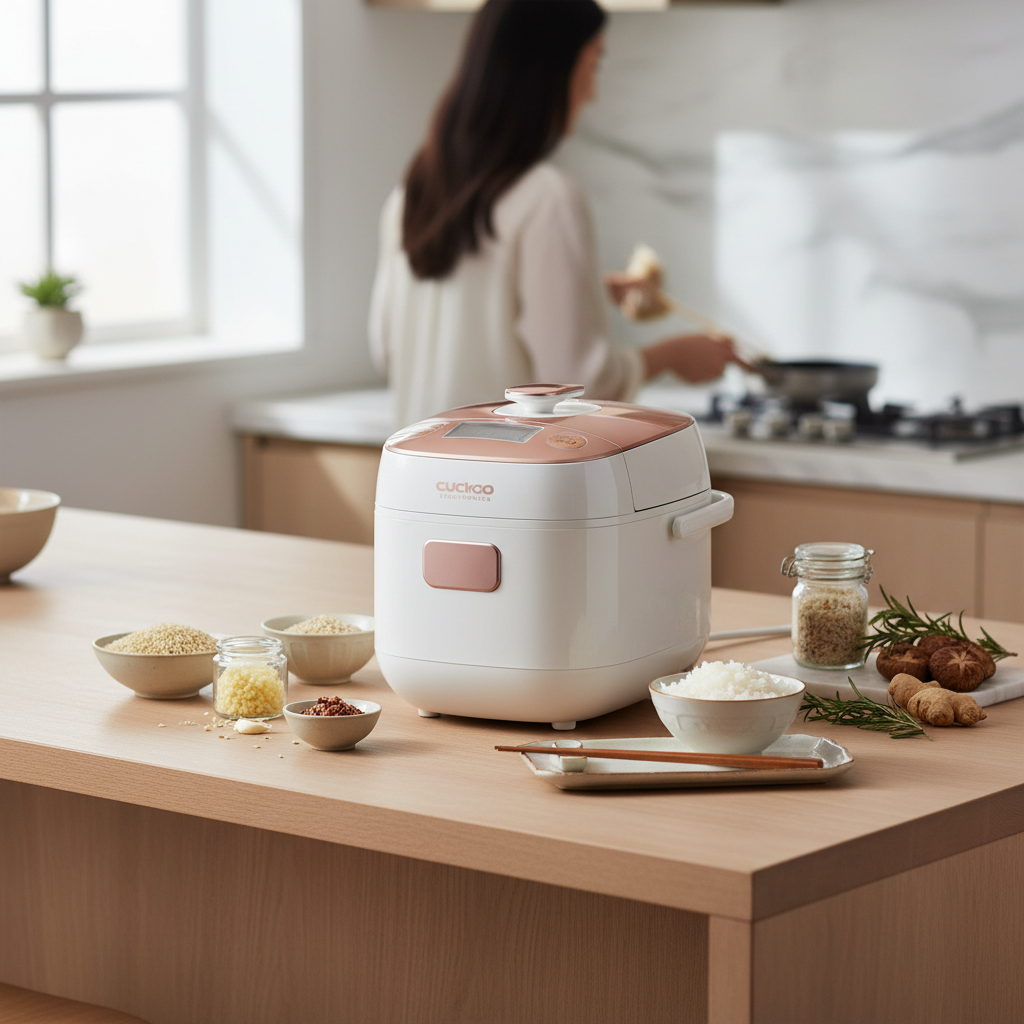
The kitchen is the heart of many homes, and for those who cherish perfectly cooked grains, a Cuckoo Electronics Rice Cooker is more than just an appliance; it’s a culinary partner. Known for their advanced technology and consistent results, Cuckoo rice cookers have revolutionized how we prepare staples like rice, making the process effortless and enjoyable. But to truly unlock the full potential of these sophisticated machines and ensure every meal is a masterpiece, there are essential tips and tricks – what we lovingly refer to as “the hacks” – that every owner should know. This review will delve into these secrets, guiding you to master your Cuckoo rice cooker for flawless results, extended longevity, and an elevated cooking experience.
The Cuckoo Electronics Rice Cooker: A Kitchen Revolution
Cuckoo Electronics rice cookers stand out in the crowded appliance market for their blend of innovation, durability, and user-friendly design. These devices move far beyond basic rice cooking, often incorporating advanced features like induction heating, pressure cooking, and specialized settings for various rice types and grains. The appeal lies in their ability to consistently produce fluffy, perfectly textured rice without the guesswork or fuss associated with stovetop methods.
Beyond simple rice, many Cuckoo models function as versatile multi-cookers, capable of preparing stews, soups, porridge, and even fermenting dishes. This multi-functionality, combined with intelligent sensors that adjust cooking time and temperature, offers a significant advantage, saving time and simplifying meal preparation for busy households. The benefits extend to the nutritional aspect, with features like the GABA setting designed to enhance the nutritional value of brown rice through a controlled soaking and sprouting process.
Unlocking Peak Performance: The Cuckoo “Hack” Explained
When we talk about “the hack” for a Cuckoo Electronics Rice Cooker, we aren’t referring to technical modifications but rather a collection of best practices, clever usage tips, and diligent maintenance routines. These insights are key to transforming good results into consistently exceptional ones, ensuring your Cuckoo operates at its peak for years to come. Understanding and applying these “hacks” is about mastering the nuances of your appliance to get the most out of its sophisticated engineering.
Adopting these optimal methods ensures that your rice is always cooked to perfection – never too sticky, never too dry – and that your cooker remains a reliable workhorse in your kitchen. It’s about leveraging the cooker’s capabilities to their fullest, avoiding common pitfalls, and maintaining its condition for long-term performance.
Pre-Cooking Preparation Hacks
The foundation of perfectly cooked rice begins before you even press the start button. Proper preparation is paramount.
- Rinsing Rice for Fluffiness: Always rinse your rice under cold running water until the water runs clear. This essential step removes excess starch, which is the primary culprit behind sticky, gummy rice. A thorough rinse guarantees individual, fluffy grains every time.
- Accurate Measuring is Crucial: Cuckoo cookers often come with a specific measuring cup (typically 180ml). Use this cup, not a standard kitchen cup, and adhere strictly to the water level marks inside the inner pot or the recommended ratios in your manual. For white rice, a 1:1 rice-to-water ratio is a good starting point, while brown rice usually requires closer to 1:2 due to its tougher husk. Experiment slightly to find your ideal texture. If you live at a higher altitude, you might need to add a touch more water to compensate for faster evaporation.
- The Benefits of Pre-Soaking: For certain types of rice, particularly long-grain white varieties, a short pre-soak (15-30 minutes) can significantly improve cooking evenness. Soaking allows the grains to absorb water before cooking, leading to a more uniform texture from kernel to kernel.
|
Our Picks for the Best Black garlic fermenter in 2026
As an Amazon Associate I earn from qualifying purchases.
|
||
| Num | Product | Action |
|---|---|---|
| 1 | Moongiantgo 8L Black Garlic Fermenter Garlic Fermenting Machine, Easy One-Button Operation Automatic Intelligent Large Capacity Black Garlic Maker with Precise Time Control for 6-16 Days, 110V (8L) |

|
| 2 | 6L Black Garlic Fermenter,Yogurt Maker with Adjustable Temperature & Time Control,Kimchi machine,Sweet Rice Wine Maker Full Automatic,Natto Maker,FCC UL Listed |
|
| 3 | 5L Black Garlic Fermenter Full Automatic Intelligent Control Garlics Maker Multi Clove Garlic Cooker FCC UL Approved |
|
| 4 | 5L Black Garlic Fermenter, Automatic Garlic Fermenting machine, Wine Fermenting Machine, Yogurt Maker with Temperature Control |
|
| 5 | WantJoin Black Garlic Fermenter 6L - Full Automatic Intelligent Control Black Garlic Maker, 360° Even Fermented,Makes 3-4 LBS Garlic Fermenter Machine, Makes Multi Clove & Whole Clove Garlic |
|
| 6 | Moongiantgo 7.5L Black Garlic Fermenter, Automatic Intelligent Control Garlic Fermenter Natto, Yogurt, Kimchi, Wine Fermenter Machine, Garlic Cooker with Precise Time Temperature Control, 110V (Brown) |
|
| 7 | 110V 6L Black Garlic Fermenter Intelligent Fully Automatic Black Garlic Machine Black Garlics Ferment Pot Garlic Ferment Box Black Garlic Maker DIY Cooker |
|
| 8 | TECHTONGDA 5L Black Garlic Fermenter 110V Garlic Cooker 3D Heating Full Automatic Intelligent Control |
|
| 9 | 6L Black Garlic Fermenter Multifunctional Intelligent Fermenter Pot 6L Black Garlic, Sweet Rice, Natto,Yogurt Maker Garlic Fermenter Machine DIY Cooker |
|
| 10 | INTBUYING 6L Black Garlic Fermenter,Garlic Ferment,Black Garlics Ferment Pot,Full Automatic Intelligent Control Black Garlics Maker Black Garlic Maker |
|
Advanced Cooking Techniques and Settings
Your Cuckoo rice cooker is packed with intelligent features designed to optimize cooking. Knowing how and when to use them is a significant “hack.”
- Utilizing Specific Presets: Don’t just stick to the “White Rice” setting. Explore your cooker’s specialized menu options for different grains:
- White Rice (Glutinous Rice): The standard for everyday meals.
- Brown Rice: Uses longer cooking times and specific pressure settings to soften the bran.
- GABA Rice: A unique setting that soaks and slightly sprouts brown rice to enhance its nutritional profile and texture.
- Multi-Cook: For stews, soups, or steaming vegetables.
- Porridge: Adjusts cooking for a creamy consistency.
- Pressure Cook: For faster cooking of tougher ingredients or specific recipes.
- The “Do Not Open Lid” Rule: This is perhaps one of the most critical hacks. After the cooking cycle completes and the “keep warm” function activates, resist the urge to open the lid immediately. Allow the rice to rest undisturbed for at least 10-15 minutes. This “settling stage” allows the steam to redistribute and the rice to firm up, resulting in a perfectly textured, fluffy consistency. Opening too early releases essential steam, leading to unevenly cooked or mushy rice.
- Creative Cooking with Broths and Spices: Elevate your rice by replacing water with chicken or vegetable broth for a richer flavor. You can also add whole spices like star anise, cardamom pods, or a pinch of saffron directly to the pot before cooking to infuse your grains with aromatic notes, transforming a simple side dish into a culinary highlight.
Essential Maintenance Hacks for Longevity
A Cuckoo rice cooker is an investment, and proper care is crucial to ensure its longevity and consistent performance. These maintenance “hacks” will keep your appliance in top condition.
- Thorough Cleaning After Every Use:
- Inner Pot: While many inner pots are non-stick and sometimes dishwasher-safe, hand washing gently with a soft sponge prolongs their specialized coating’s life significantly. Avoid abrasive cleaners.
- Inner Lid: Most Cuckoo models feature a detachable inner lid. Remove it regularly for a thorough cleaning. Rice residue can accumulate here, leading to odors or affecting pressure sealing.
- Heating Plate: After removing the inner pot, wipe down the heating plate inside the cooker with a damp cloth, then dry it completely. Any moisture or debris can interfere with heating efficiency.
- Steam Vent Maintenance: The steam vent, often located on the top of the lid, should be checked and cleared periodically. A clogged vent can lead to improper pressure release and affect cooking quality. Refer to your manual for specific cleaning instructions.
- The Critical Role of the Cover Packing (Sealing Ring): The silicone sealing ring around the inner lid is vital for maintaining pressure and preventing steam leaks.
- Clean Regularly: Food particles can stick to it, compromising its seal. Clean it gently with warm, soapy water.
- Inspect and Replace: Over time, the packing can harden, crack, or warp. Cuckoo Canada recommends replacing it every 1 to 1.5 years, depending on usage. If you notice steam leaking from the sides of your cooker or your rice isn’t cooking properly, a worn-out sealing ring is often the culprit. Replacing it is a simple yet crucial hack for optimal performance.
Troubleshooting Common Cuckoo Rice Cooker Issues
Even with the best care, minor issues can arise. Knowing how to quickly address them is another valuable “hack.”
- Steam Leaking from the Sides: This almost always points to an issue with the cover packing (sealing ring). First, ensure it’s clean and properly seated. If the problem persists, it’s time to replace the packing.
- Strange Noises During Cooking/Warming: Don’t panic if you hear a fan noise. Many Cuckoo rice cookers feature an internal cooling system, and this sound is a normal part of its operation. If the noise is unusually loud or grinding, consult your manual or customer support.
- Dealing with Lingering Odors: If you’ve used your multi-functional Cuckoo to cook strongly scented dishes like stews or soups, a residual odor can affect subsequent rice batches. To eliminate this, fill the inner pot with about a quarter cup of water and a tablespoon of white vinegar. Run the “steam cook” or “multi-cook” function for 30 minutes. This fumigation process will clear the ventilations and inner components, leaving your cooker fresh.
- Rice Uncooked or Overcooked: This is typically due to an incorrect water-to-rice ratio or selecting the wrong cooking setting. Double-check your measurements against the pot’s water lines and ensure you’ve chosen the appropriate preset for your rice type. Also, remember the “do not open lid” rule during the crucial settling phase; interrupting it can lead to undercooked or mushy results.
Choosing Your Cuckoo: Features That Matter (Buying Guide)
When investing in a Cuckoo Electronics Rice Cooker, understanding the key features will help you select the model that best suits your needs. Consider these factors as your buying guide “hacks.”
- Capacity: Cuckoo cookers range from smaller 3-cup models ideal for individuals or couples to larger 10-cup units perfect for families or entertaining. Base your choice on your typical serving size requirements.
- Pressure vs. Non-Pressure Models: Pressure rice cookers, often designated with “CRP” in the model number, cook rice faster and can achieve a chewier, more distinct texture, especially for brown or mixed grains. Non-pressure models are simpler and generally more affordable, delivering excellent results for white rice. Twin pressure models offer the best of both worlds.
- Specialized Functions: Look for features like the GABA setting for sprouted brown rice, various “multi-cook” options for versatility, and an “auto-clean” function that uses steam for easy sanitization. Voice navigation can also be a helpful addition.
- Inner Pot Material and Lid Design: High-quality inner pots, such as Cuckoo’s Xwall diamond coated pot, offer superior non-stick performance and durability. A full stainless steel interior lid and a double-layer cover packing indicate better pressure sealing and easier cleaning.
In conclusion, a Cuckoo Electronics Rice Cooker is a powerhouse appliance capable of delivering consistently perfect rice and so much more. By embracing these essential “hacks” – from meticulous preparation and smart setting usage to diligent maintenance and proactive troubleshooting – you’ll not only extend the life of your cooker but also unlock a new level of culinary ease and excellence. Master these tips, and your Cuckoo will continue to be an invaluable asset in your kitchen.
What culinary adventures will you embark on with your perfectly mastered Cuckoo rice cooker?
Frequently Asked Questions
How often should I replace the sealing ring (cover packing)?
It is generally recommended to replace the Cuckoo sealing ring every 1 to 1.5 years, depending on how frequently you use your rice cooker. Regular inspection for tears, hardening, or warping is crucial for maintaining proper pressure and preventing steam leaks.
Can I cook other grains besides rice in my Cuckoo cooker?
Yes, most Cuckoo multi-functional rice cookers are designed to cook a variety of grains beyond traditional rice, including quinoa, barley, oats, and more. Check your specific model’s manual for dedicated settings or use the “multi-cook” function with appropriate water ratios.
What is the “GABA” setting on my Cuckoo rice cooker?
The “GABA” setting is a specialized function that soaks brown rice at a warm temperature for several hours before cooking. This process partially sprouts the rice, which is believed to increase its nutritional content, particularly gamma-aminobutyric acid (GABA), and results in a softer, more palatable texture.
Why does my rice sometimes stick to the bottom of the pot?
Rice sticking to the bottom often indicates an incorrect water-to-rice ratio (too little water) or not allowing the rice to complete its natural settling process after cooking. Ensure accurate measurements and always let the cooker sit in “keep warm” mode for at least 10-15 minutes after the cooking cycle finishes before serving.