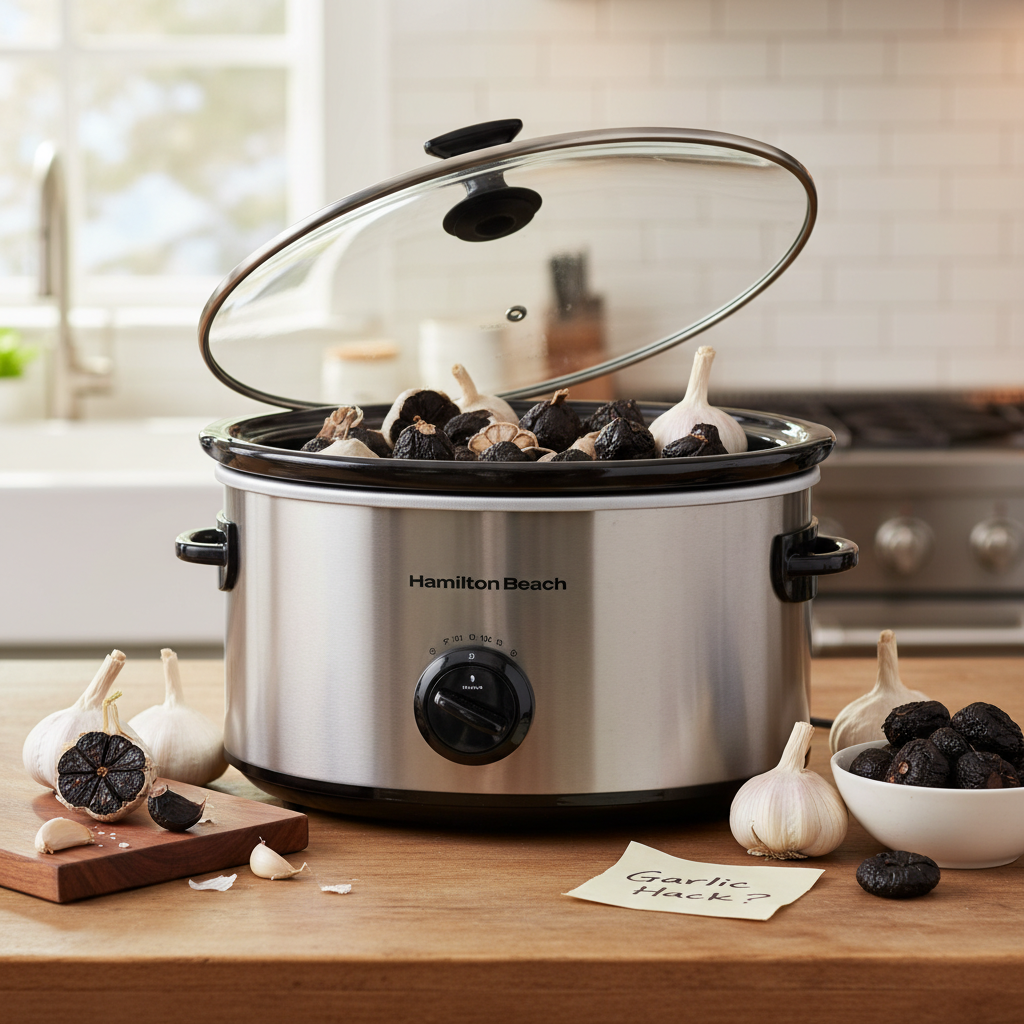
Discovering a batch of black garlic that has transformed from delightfully soft and chewy to disappointingly hard and dry can be disheartening for any culinary enthusiast. This treasured ingredient, renowned for its complex, sweet, and umami-rich notes, is meant to be a versatile addition to countless dishes. While the process of making black garlic aims for a specific tender, jelly-like consistency, sometimes the outcome falls short, leaving you with cloves that are tough or brittle. But don’t despair! This guide offers effective and safe methods to restore your over-dried black garlic, ensuring its unique texture and profound flavor can once again enhance your cooking.
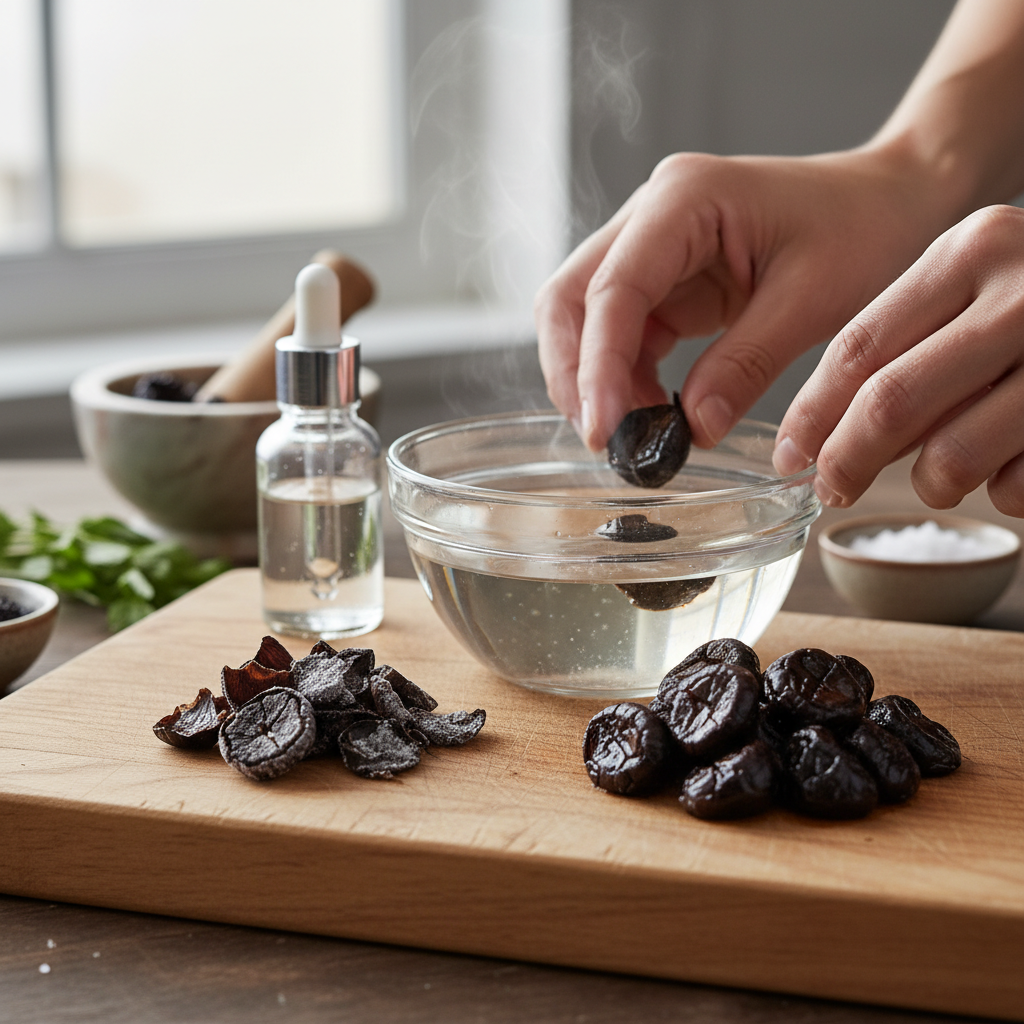
Understanding Why Black Garlic Dries Out
Black garlic achieves its signature dark color, mellow flavor, and soft texture through a slow aging process, not fermentation, where garlic is kept at controlled temperatures and high humidity over several weeks. When this delicate balance is disturbed, particularly the humidity, the cloves can dry out prematurely or excessively. Common culprits include insufficient moisture during the aging process itself, such as not properly wrapping the garlic bulbs or using a fermenter that allows too much moisture to escape. Additionally, prolonged aging beyond the optimal window or improper storage of the finished product—like leaving it uncovered in a low-humidity environment—can lead to a hard, unyielding texture. This loss of moisture not only affects the pliability of the garlic but can also diminish its characteristic sweet, savory, and slightly tangy flavor profile, making it less enjoyable to eat and difficult to incorporate into recipes.
Safe Methods to Rehydrate Your Black Garlic
When attempting to revive over-dried black garlic, the key is to introduce moisture gradually and in a controlled environment to avoid spoilage or further degradation of its delicate flavor and texture. Starting with gentle approaches is always recommended.
The Controlled Humidity Method
This method replicates a high-humidity environment to slowly reintroduce moisture.
- Materials: An airtight container (glass jar or plastic container), a paper towel, and your dried black garlic cloves.
- Process:
- Lightly dampen a paper towel with water, ensuring it’s moist but not dripping wet.
- Place the damp paper towel at the bottom of the airtight container.
- Arrange the dried black garlic cloves on top of the paper towel, ensuring they don’t directly touch the wet surface if possible, or place them on a small piece of parchment paper to separate.
- Seal the container tightly.
- Store the container in the refrigerator and check the garlic’s texture and the paper towel’s moisture daily. Re-dampen the paper towel as needed.
- Monitoring: Depending on how dry the garlic is, this process can take anywhere from a few days to a week. The goal is a return to a soft, pliable texture.
|
Our Picks for the Best Black garlic fermenter in 2026
As an Amazon Associate I earn from qualifying purchases.
|
||
| Num | Product | Action |
|---|---|---|
| 1 | TECHTONGDA 5L Black Garlic Fermenter 110V Garlic Cooker 3D Heating Full Automatic Intelligent Control |

|
| 2 | 6L Black Garlic Fermenter,Yogurt Maker with Adjustable Temperature & Time Control,Kimchi machine,Sweet Rice Wine Maker Full Automatic,Natto Maker,FCC UL Listed |
|
| 3 | 5L Black Garlic Fermenter Full Automatic Intelligent Control Garlics Maker Multi Clove Garlic Cooker FCC UL Approved |
|
| 4 | 5L Black Garlic Fermenter, Automatic Garlic Fermenting machine, Wine Fermenting Machine, Yogurt Maker with Temperature Control |
|
| 5 | 6L Black Garlic Fermenter Multifunctional Intelligent Fermenter Pot 6L Black Garlic, Sweet Rice, Natto,Yogurt Maker Garlic Fermenter Machine DIY Cooker |
|
| 6 | INTBUYING 6L Black Garlic Fermenter,Garlic Ferment,Black Garlics Ferment Pot,Full Automatic Intelligent Control Black Garlics Maker Black Garlic Maker |
|
| 7 | Moongiantgo 7.5L Black Garlic Fermenter, Automatic Intelligent Control Garlic Fermenter Natto, Yogurt, Kimchi, Wine Fermenter Machine, Garlic Cooker with Precise Time Temperature Control, 110V (Brown) |
|
| 8 | Moongiantgo 8L Black Garlic Fermenter Garlic Fermenting Machine, Easy One-Button Operation Automatic Intelligent Large Capacity Black Garlic Maker with Precise Time Control for 6-16 Days, 110V (8L) |
|
| 9 | WantJoin Black Garlic Fermenter 6L - Full Automatic Intelligent Control Black Garlic Maker, 360° Even Fermented,Makes 3-4 LBS Garlic Fermenter Machine, Makes Multi Clove & Whole Clove Garlic |
|
| 10 | 110V 6L Black Garlic Fermenter Intelligent Fully Automatic Black Garlic Machine Black Garlics Ferment Pot Garlic Ferment Box Black Garlic Maker DIY Cooker |
|
Gentle Misting or Spritzing
For individual cloves or smaller quantities, a fine mist can be very effective.
- Materials: A spray bottle with a fine mist setting, water (or a weak, food-safe liquid like sake), and your dried black garlic.
- Process:
- Place the black garlic cloves in a shallow dish or on a clean surface.
- Lightly mist the cloves with water or sake. A few spritzes are usually enough to cover the surface without making them overly wet.
- Transfer the misted cloves to an airtight container or a zip-top bag, sealing it well to trap the moisture.
- Let them sit at room temperature for a few hours, then check for softness. If still too dry, repeat the misting and sealing process.
- Considerations: This method allows for precise control over the amount of liquid added. Using a very diluted broth can also introduce a subtle flavor enhancement, but plain water is always a safe bet.
Low-Heat Steaming (with caution)
Steaming can quickly rehydrate, but it requires careful attention to avoid overcooking or making the garlic mushy.
- Materials: A steamer basket, a pot with a lid, and water.
- Process:
- Bring a small amount of water to a simmer in a pot.
- Place the dried black garlic cloves in a steamer basket, ensuring they are not submerged in the water.
- Place the steamer basket over the simmering water, cover the pot, and steam for very short intervals—typically 1-2 minutes at a time.
- Immediately remove a clove and check its texture. Repeat steaming in short bursts if necessary.
- Warning: Over-steaming can drastically alter the texture, making it overly soft or watery. This method is best for small batches and experienced users.
Tips for Successful and Safe Rehydration
Successful rehydration isn’t just about adding moisture; it’s about doing so safely to preserve the quality of your black garlic and prevent spoilage.
- Monitoring Moisture Levels and Texture: Regularly check the garlic. It’s a delicate balance; you want it soft and pliable, not soggy or mushy. The exterior should feel tender, and the interior should regain its jammy consistency. If using the damp paper towel method, ensure the towel remains just moist, not soaking wet, and replace it if it shows any signs of mold.
- Preventing Mold and Bacterial Growth: Introducing moisture increases the risk of microbial growth.
- Hygiene: Always use clean hands, utensils, and containers.
- Refrigeration: Store rehydrating black garlic in the refrigerator, especially with the controlled humidity method, to slow down bacterial growth.
- Visual Inspection: Before, during, and after rehydration, inspect the garlic for any unusual discoloration, fuzzy spots, or off-odors, which are signs of mold. If mold is present, it’s safer to discard the garlic.
- Recommended Rehydration Times: These can vary significantly based on the initial dryness and the method used. The controlled humidity method can take several days, while misting might show results within hours. Steaming is the fastest but requires constant vigilance. Patience is crucial for best results.
- When to Stop Rehydrating: Stop once the garlic achieves your desired soft, spreadable, or chewy texture. Further rehydration will only degrade its quality.
What to Avoid When Rehydrating Black Garlic
While the urge to quickly revive dry black garlic can be strong, certain practices should be strictly avoided to prevent spoilage, loss of flavor, or an undesirable texture.
Excessive Soaking
Submerging black garlic in water for extended periods is a common mistake. This can lead to:
- Waterlogging: The cloves absorb too much water, becoming mushy and bland.
- Flavor Dilution: The unique, concentrated flavors developed during the aging process can leach out, leaving you with less flavorful garlic.
- Increased Spoilage Risk: Standing water creates an ideal environment for rapid bacterial and mold growth, especially if not refrigerated. Unlike dried mushrooms, black garlic has a complex composition that doesn’t benefit from full immersion.
High Heat
Applying high heat, such as boiling or prolonged high-temperature steaming, can damage the delicate compounds that give black garlic its characteristic flavor and aroma. High heat can also break down its unique texture, turning it into an unappetizing paste rather than a soft, chewy clove. Gentle, low heat, if used at all (as with brief steaming), is the only acceptable approach.
Unsanitary Conditions
As with any food preparation, maintaining cleanliness is paramount, especially when reintroducing moisture to dried foods.
- Contamination: Using dirty containers, utensils, or unwashed hands can introduce harmful bacteria or mold spores, leading to rapid spoilage.
- Cross-Contamination: Ensure black garlic is not exposed to other raw foods or surfaces that could harbor pathogens. Always use clean, food-grade materials for rehydration and storage. Ignoring these basic hygiene rules significantly increases the risk of foodborne illness.
Storing Rehydrated Black Garlic
Once you’ve successfully restored your over-dried black garlic to its desired texture, proper storage is essential to maintain its quality and prevent spoilage.
- Short-Term Storage (Refrigeration): Rehydrated black garlic should always be stored in an airtight container in the refrigerator. This slows down the growth of bacteria and mold. It typically remains fresh for about 1-2 weeks. Always check for any signs of spoilage before use.
- Considerations for Longer-Term Storage:
- Freezing: Freezing can extend the shelf life of rehydrated black garlic for several months. However, be aware that freezing and thawing can sometimes alter the texture, potentially making it slightly softer or more watery upon defrosting. To freeze, place cloves in a single layer on a parchment-lined tray until frozen solid, then transfer to a freezer-safe bag or container, removing as much air as possible.
- Oil Infusion (with caution): While black garlic infused in oil is delicious, it poses a risk of botulism if not prepared and stored correctly. If you choose to store rehydrated black garlic in oil, it must be acidified (e.g., with vinegar) to a safe pH level or kept refrigerated and consumed within one month. For maximum safety, it’s generally best to prepare oil infusions fresh as needed rather than storing large batches.
- Signs of Spoilage: Always trust your senses. Discard any rehydrated black garlic that shows signs of mold (fuzzy growth, unusual colors), develops an off-odor, or becomes slimy. When in doubt, throw it out.
Alternative Uses for Over-Dried Black Garlic
Even if your black garlic remains stubbornly dry despite rehydration efforts, or if you prefer a different application, it is still a valuable culinary ingredient. Don’t discard it! Its concentrated flavor can be harnessed in several creative ways.
- Grinding into Powder for Seasoning: This is arguably the most common and effective alternative for very dry black garlic. Simply use a spice grinder, coffee grinder, or mortar and pestle to transform the hard cloves into a fine powder. This powder is an excellent umami booster, perfect for seasoning rubs, marinades, soups, stews, and even homemade pasta or bread dough. It adds a deep, savory complexity without altering the texture of your dish.
- Infusing Oils or Vinegars: The intense flavor of dried black garlic can be extracted by infusing it into oils or vinegars. Gently warm the dried cloves in a neutral oil (like olive or grapeseed oil) over low heat for an hour, then strain. Similarly, dried black garlic can be steeped in vinegar to create a unique, flavorful condiment. Remember to store infused oils in the refrigerator and consume them promptly to avoid botulism risk if not acidified.
- Incorporating into Sauces and Rubs: Finely chop or mince the dried black garlic and add it directly to cooking sauces, gravies, or meat rubs. The moisture from the cooking process can help soften it slightly, releasing its flavors. It can be particularly good in barbecue sauces, glazes for roasted meats, or mixed into a compound butter.
Conclusion
Encountering over-dried black garlic doesn’t have to mean a wasted batch. With careful application of controlled moisture, gentle handling, and strict adherence to safety guidelines, you can often restore its coveted soft and tender texture. Whether through controlled humidity, gentle misting, or cautious steaming, the goal is to revive its pliability without compromising its unique, complex flavor profile. Remember to prioritize hygiene, refrigerate rehydrated portions promptly, and discard anything showing signs of spoilage. Even if rehydration proves challenging, your dry black garlic can still be transformed into a potent powder or infused into oils, ensuring none of its rich, savory essence goes to waste. Which of these methods will you try first to bring your black garlic back to life?
Frequently Asked Questions
Can you rehydrate black garlic that is rock hard?
Yes, even rock-hard black garlic can often be rehydrated, though it might require more time and patience. The controlled humidity method, using a damp paper towel in an airtight container in the refrigerator, is generally the safest and most effective approach for severely dried cloves.
How long does it take to rehydrate black garlic?
The rehydration time varies greatly depending on the initial dryness and the method chosen. Gentle misting might show results in a few hours, while the controlled humidity method can take several days. Severely hard black garlic may require up to a week to achieve a soft, pliable texture.
Is it safe to rehydrate moldy black garlic?
No, it is not safe to rehydrate black garlic that shows any signs of mold, such as fuzzy spots or unusual discoloration. Mold spores can penetrate deep into food, and attempting to rehydrate it can spread the mold and introduce harmful toxins. Always discard moldy black garlic.
Can I use oil to rehydrate black garlic?
While black garlic is often stored in oil, directly rehydrating it with oil is not a common or recommended method for restoring texture. Introducing moisture is key for rehydration. Storing black garlic in oil without acidification carries a risk of botulism if not properly refrigerated and consumed quickly.
How should I store rehydrated black garlic?
Rehydrated black garlic should always be stored in an airtight container in the refrigerator. It typically remains fresh for about 1-2 weeks. For longer storage, you can freeze it, though some texture changes may occur upon thawing. Always inspect for spoilage before use.