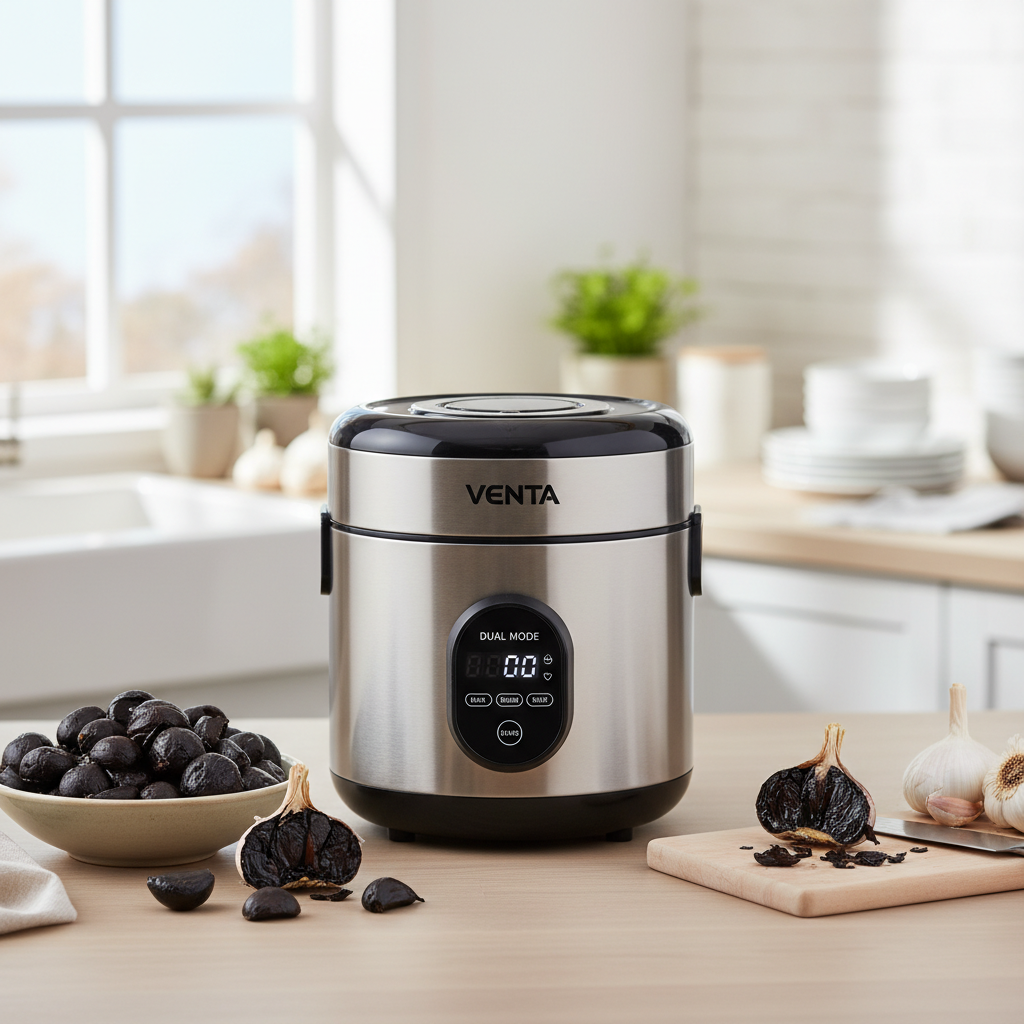
Unlocking the rich, sweet, and umami flavors of black garlic at home or for commercial production relies heavily on your fermenter’s ability to maintain precise temperature and humidity. Yet, beyond the external controls, the internal design of your black garlic fermenter, specifically its rack system, plays a crucial role in ensuring consistent quality across every clove. As an expert with over a decade in black garlic fermenter technology, I understand that the nuances between designs like the cage tray and layered rack can significantly impact your fermentation success.
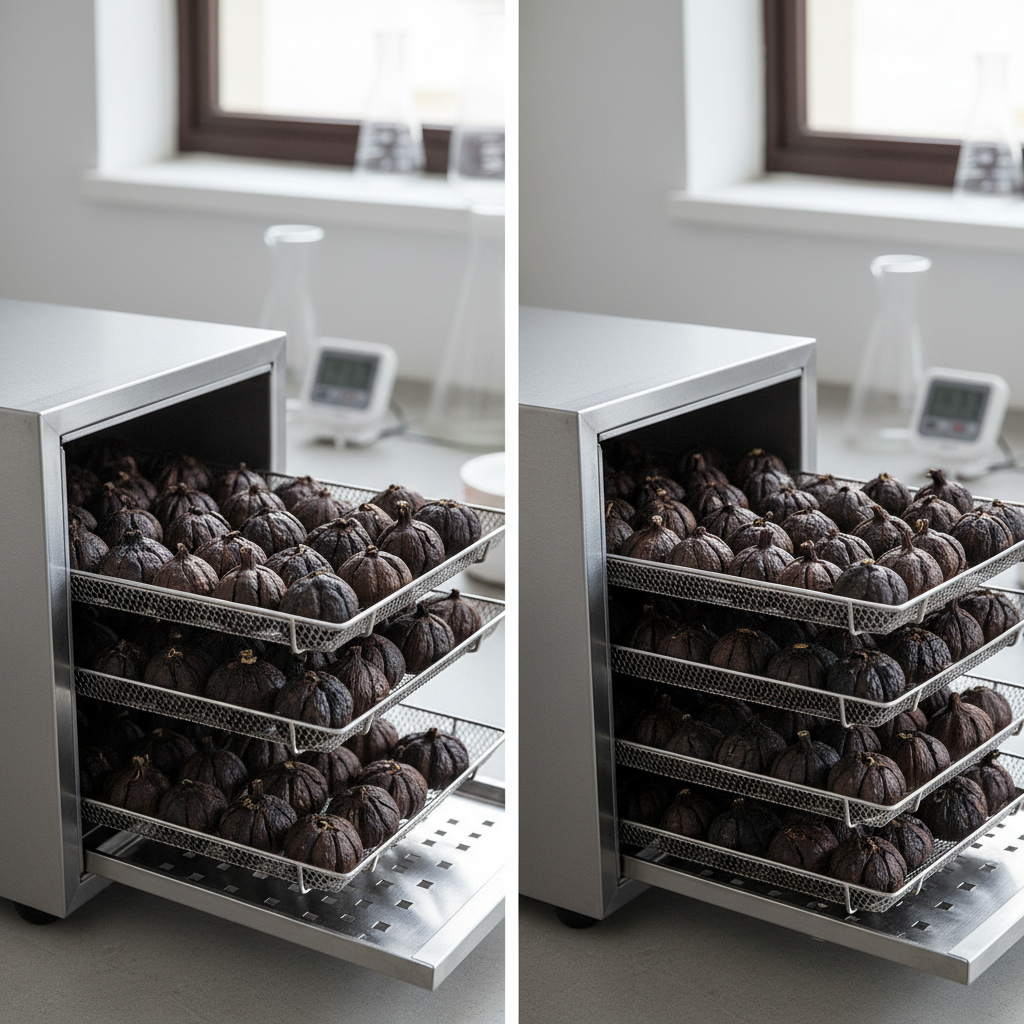
This article delves into the core differences and advantages of cage tray and layered rack designs in black garlic fermenters. We’ll explore how each impacts critical factors such as air circulation, heat distribution, capacity, and ease of use, helping you make an informed decision to select the best black garlic fermenter for your needs.
Overview of Black Garlic Fermenters
A black garlic fermenter is a specialized appliance designed to transform fresh white garlic into black garlic through a controlled process of heat and humidity, typically ranging from 60°C to 85°C and 70%–90% humidity over several weeks. This controlled environment facilitates the Maillard reaction and enzymatic browning, processes that convert the pungent allicin in fresh garlic into a soft, sweet, and savory product with enhanced antioxidant properties. Compared to traditional or DIY methods, dedicated fermenters offer superior precision, safety, and repeatability, minimizing spoilage and ensuring optimal flavor and texture.
The rising popularity of black garlic in health-conscious diets and gourmet cuisine has made these machines indispensable for both home enthusiasts and small-scale producers. The effectiveness of any black garlic fermenter, however, hinges significantly on how heat and air are distributed to every garlic bulb inside, which is where the internal rack design becomes paramount.
Types of Black Garlic Fermenter Designs
When evaluating black garlic fermenters, you’ll encounter various internal arrangements for holding garlic. While many modern units incorporate elements of both for optimal performance, understanding the distinctions between primarily “cage tray” and “layered rack” designs is essential.
Cage Tray Design
A cage tray design typically involves individual or interconnected compartments, often resembling small baskets or cages, where garlic bulbs are placed. These structures aim to secure each bulb or a small cluster of cloves, preventing them from shifting during the fermentation cycle. The concept behind this design is often to provide a more defined space for each garlic unit, theoretically promoting uniform heat exposure and airflow around all sides. Some models feature a “cage-like rack” system that is inherently layered, allowing for adjustable layers based on garlic size. These cage-style racks are frequently made of durable stainless steel, promoting excellent air circulation and even heating.
- Pros:
- Enhanced Individual Airflow: By isolating or semi-isolating garlic bulbs, cage trays can potentially offer superior air circulation to each piece, reducing the risk of under-fermentation in dense areas.
- Secure Placement: Garlic bulbs are less likely to roll or clump together, maintaining consistent spacing throughout the long fermentation process.
- Adjustable Layers: Many cage-style racks allow for adjusting the number of layers, accommodating different quantities and sizes of garlic, from whole bulbs to single cloves.
- Cons:
- Reduced Capacity: Individual compartments might lead to less efficient use of space compared to open layered racks, potentially limiting the total batch size.
- More Complex Loading/Unloading: Placing and retrieving garlic from individual cages can be more time-consuming.
- Cleaning Challenges: Intricate cage designs may have more nooks and crannies, making cleaning slightly more challenging.
|
Our Picks for the Best Black garlic fermenter in 2026
As an Amazon Associate I earn from qualifying purchases.
|
||
| Num | Product | Action |
|---|---|---|
| 1 | WantJoin Black Garlic Fermenter 6L - Full Automatic Intelligent Control Black Garlic Maker, 360° Even Fermented,Makes 3-4 LBS Garlic Fermenter Machine, Makes Multi Clove & Whole Clove Garlic |

|
| 2 | Moongiantgo 8L Black Garlic Fermenter Garlic Fermenting Machine, Easy One-Button Operation Automatic Intelligent Large Capacity Black Garlic Maker with Precise Time Control for 6-16 Days, 110V (8L) |
|
| 3 | TECHTONGDA 5L Black Garlic Fermenter 110V Garlic Cooker 3D Heating Full Automatic Intelligent Control |
|
| 4 | 110V 6L Black Garlic Fermenter Intelligent Fully Automatic Black Garlic Machine Black Garlics Ferment Pot Garlic Ferment Box Black Garlic Maker DIY Cooker |
|
| 5 | 6L Black Garlic Fermenter,Yogurt Maker with Adjustable Temperature & Time Control,Kimchi machine,Sweet Rice Wine Maker Full Automatic,Natto Maker,FCC UL Listed |
|
| 6 | 5L Black Garlic Fermenter, Automatic Garlic Fermenting machine, Wine Fermenting Machine, Yogurt Maker with Temperature Control |
|
| 7 | INTBUYING 6L Black Garlic Fermenter,Garlic Ferment,Black Garlics Ferment Pot,Full Automatic Intelligent Control Black Garlics Maker Black Garlic Maker |
|
| 8 | 6L Black Garlic Fermenter Multifunctional Intelligent Fermenter Pot 6L Black Garlic, Sweet Rice, Natto,Yogurt Maker Garlic Fermenter Machine DIY Cooker |
|
| 9 | Moongiantgo 7.5L Black Garlic Fermenter, Automatic Intelligent Control Garlic Fermenter Natto, Yogurt, Kimchi, Wine Fermenter Machine, Garlic Cooker with Precise Time Temperature Control, 110V (Brown) |
|
| 10 | 5L Black Garlic Fermenter Full Automatic Intelligent Control Garlics Maker Multi Clove Garlic Cooker FCC UL Approved |
|
Layered Rack Design
The layered rack design, often found in many common black garlic fermenters, utilizes multiple shelves or tiers stacked within the fermentation chamber. Garlic bulbs are simply placed on these open racks. This design prioritizes maximizing capacity and often features a robust “stainless steel rack” that contributes to consistent temperatures and low heat loss due to the material’s properties. The term “layered rack” often encompasses general multi-tiered systems, which may also be described as “cage-style” if they feature a mesh or open-cage structure to enhance airflow.
- Pros:
- Higher Capacity: Open shelves typically allow for more garlic to be fermented in a single batch, making them suitable for larger yields.
- Simpler Loading/Unloading: Garlic can be quickly placed and removed from the open tiers.
- Easier Cleaning: Flat, open racks are generally easier to wipe down and sanitize.
- Cons:
- Potential for Uneven Fermentation: Without distinct separation, garlic can sometimes clump together, potentially hindering optimal airflow and leading to uneven fermentation, especially in densely packed layers.
- Less Secure Placement: Bulbs might shift or roll during the cycle if not carefully arranged, though this is usually minor.
- Reliance on Overall Fermenter Design: The success of a layered rack heavily depends on the fermenter’s overall heating and air circulation system to ensure evenness across all layers.
Comparison Table: Cage Tray vs. Layered Rack in Black Garlic Fermenters
Understanding the practical differences can help you weigh which design best suits your fermentation goals.
| Feature | Cage Tray Design | Layered Rack Design |
|---|---|---|
| Air Circulation | Excellent, often individual airflow to each bulb. | Good, but depends on spacing and overall system. |
| Even Heating | Highly consistent, due to individual separation. | Generally consistent, can be affected by dense packing. |
| Capacity | Moderate, potentially less efficient space utilization. | High, maximizes batch size per fermenter volume. |
| Loading/Unloading | More involved, placing/removing from individual compartments. | Simple, quick placement and removal. |
| Cleaning | Can be more intricate due to multiple components. | Generally easy, flat surfaces. |
| Garlic Stability | Very secure, prevents shifting. | Good, but bulbs can shift if not arranged carefully. |
| Versatility | Often adjustable for different garlic sizes. | Adaptable to various garlic sizes. |
| Typical Material | Stainless Steel, durable and rust-proof. | Stainless Steel, durable and easy to clean. |
Guide to Choosing Your Black Garlic Fermenter Design
Selecting the ideal black garlic fermenter design involves considering your specific needs, batch size requirements, and priorities for quality and convenience.
Volume and Garlic Quantity
Consider how much black garlic you intend to produce. If you frequently ferment large quantities, a layered rack design will likely offer superior capacity and efficiency. For smaller, more precise batches where individual consistency is paramount, a cage tray system might be more appealing. Many home models feature a “two-layer cage-style rack” that balances capacity with good air circulation for typical home use.
Features and Technology of the Fermenter
Beyond the rack itself, examine the fermenter’s overall features. Advanced models often include three-dimensional heating (top, middle, and bottom) and robust inner liners to ensure even temperatures regardless of the rack design. A drying function is also a beneficial feature to enhance the final product’s quality. Look for stainless steel components for durability and ease of cleaning, as these are common in high-quality units.
Brand and Reliability
Reputable brands in the black garlic fermenter market often integrate thoughtful rack designs aimed at optimizing the fermentation process. Reading user reviews and expert recommendations can provide insights into how specific designs perform in real-world scenarios. A power-off memory function, for instance, ensures that fermentation resumes automatically after an outage, a crucial reliability factor.
Cost and Budget
Typically, the internal rack design doesn’t drastically alter the overall cost of the fermenter as much as other factors like capacity, brand, and advanced features. However, intricate cage systems might be found in slightly higher-end models emphasizing precision. Focus on finding a balance between your budget and a design that promises consistent results.
User Reviews and Feedback
Actual user experiences can be invaluable. Pay attention to comments regarding the evenness of fermentation, ease of use, and cleaning associated with specific rack designs. A fermenter with a “durable stainless steel rack” and a “secure design to prevent garlic from falling out” often receives positive feedback.
Using and Maintaining Your Black Garlic Fermenter
Regardless of whether you choose a cage tray or layered rack design, proper usage and maintenance are key to achieving optimal black garlic and prolonging your machine’s lifespan.
Correct Usage Steps
- Preparation: Gently clean garlic bulbs, removing any loose skin but avoiding washing them to prevent excess moisture. Ensure the bulbs are dry.
- Loading:
- Cage Tray: Carefully place bulbs into individual compartments or trays, ensuring adequate space for air circulation. If adjustable, set layers according to garlic height.
- Layered Rack: Arrange bulbs evenly across each tier, leaving small gaps between them. Avoid overcrowding to allow for proper airflow. Fill the pot completely for best results.
- Fermentation Cycle: Close the fermenter securely and select your desired fermentation time (typically 7-12 days for home units) and settings. Monitor the digital display for temperature and remaining time.
- Drying (Optional): Many fermenters include a drying function post-fermentation, which can improve the texture and shelf life of your black garlic.
Tips for Best Quality Black Garlic
- Even Placement: Always ensure garlic is distributed as evenly as possible within the rack system to promote uniform heating and air circulation.
- Avoid Overpacking: Resist the urge to cram too much garlic. Overpacking, especially in layered rack designs, can hinder airflow and lead to inconsistent results where some bulbs are perfectly fermented while others are not.
- Quality Garlic: Start with fresh, high-quality garlic bulbs. The quality of your raw ingredient directly impacts the final black garlic product.
- Don’t Open Frequently: While tempting, avoid opening the fermenter during the fermentation cycle, as this can disrupt the carefully controlled temperature and humidity.
Cleaning and Storage
- After Each Use: Once fermentation is complete and the machine has cooled, remove the racks and inner pot. Wash them thoroughly with hot, soapy water. Stainless steel racks are often rust-proof and easy to clean.
- Avoid Dishwashers: The inner pot, often made of aluminum, should usually be hand-washed to prevent oxidation.
- Wipe Down: Wipe the appliance’s exterior with a damp cloth. Do not use abrasive cleansers.
- Storage: Ensure all components are completely dry before reassembling and storing the fermenter in a cool, dry place.
Common Issues and Troubleshooting
Even with the best black garlic fermenter, issues can sometimes arise. Understanding how your rack design might play a role can help in troubleshooting.
- Uneven Fermentation: If some garlic bulbs are perfectly black and soft while others remain lighter or harder, it’s often an issue of uneven heat distribution or poor air circulation. This can be exacerbated by overpacking, especially in simpler layered rack designs. Re-evaluate your loading technique, ensuring ample space between bulbs.
- Garlic Sticking to Racks: If your black garlic sticks to the stainless steel racks, ensure the garlic is completely dry before loading. Sometimes, a very light oiling of the racks (if recommended by the manufacturer) can help, but generally, quality black garlic should release easily.
- Odor Emission: Fermenting garlic produces a strong aroma. While not a design flaw, ensure your fermenter is placed in a well-ventilated area, especially during the initial days of fermentation. Fermenters with “full-surround heating” may help prevent condensation buildup, which can contribute to odors.
- Machine Malfunctions: Issues like inconsistent heating or failure to complete the cycle are usually related to the fermenter’s electronics, not the rack design. Refer to your user manual for troubleshooting or contact customer support.
Conclusion
Choosing between a cage tray and a layered rack design for your black garlic fermenter ultimately comes down to your personal priorities for capacity, consistency, and convenience. While modern black garlic fermenters often feature sophisticated “cage-style racks” that are inherently layered to optimize air circulation and heat distribution, understanding the subtle differences can guide your selection. Whether you prioritize individual garlic separation for maximum consistency or higher batch volumes, the right internal design is crucial for perfectly fermented black garlic every time.
By focusing on effective air circulation, uniform temperature, and ease of use, you can ensure your black garlic fermenter delivers exceptional results. What aspect of black garlic fermentation do you find most challenging when considering equipment design?
Frequently Asked Questions
Does the rack material affect black garlic quality?
Yes, the material of the rack can affect quality. Stainless steel is highly recommended for black garlic fermenter racks due to its durability, resistance to rust and corrosion, and its ability to maintain stable temperatures, all of which contribute to consistent fermentation.
Can I mix whole garlic bulbs and individual cloves in the same fermenter?
Many fermenters with adjustable layered or cage-style racks are designed to accommodate both whole bulbs and individual cloves. However, ensure that smaller cloves don’t fall through the rack openings and that all garlic has sufficient space for even fermentation.
How does airflow impact black garlic fermentation?
Optimal airflow is critical for black garlic fermentation as it ensures even heat distribution and prevents condensation from accumulating, which can lead to mold or uneven fermentation. Both cage tray and layered rack designs aim to facilitate this airflow.
Is a “cage-style rack” the same as a “layered rack” in a black garlic fermenter?
Often, “cage-style racks” in black garlic fermenters are also “layered racks,” meaning they feature multiple tiers or shelves that are structured with a mesh or cage-like design to promote excellent air circulation and hold garlic securely. The terms can sometimes overlap in product descriptions.
How do I prevent uneven fermentation in my black garlic fermenter?
To prevent uneven fermentation, ensure garlic is spread out evenly on the racks, avoiding overpacking. Regularly clean your fermenter, and consider models with advanced heating systems (like three-dimensional heating) and robust rack designs that actively promote uniform air and heat distribution.